
In 2025, the property market faces unprecedented change, making key property management skills more essential than ever. Property owners and investors must navigate shifting trends, rapid technology advances, and evolving tenant needs.
This guide delivers expert insights and practical strategies to help you stay ahead. Explore the latest industry trends, technology integration, changing tenant expectations, new legal requirements, and proven best practices.
Are you ready to transform challenges into opportunities? Let’s dive into the essentials for success in property management this year.
Understanding the 2025 Property Management Landscape
Navigating the key property management landscape in 2025 requires a deep understanding of rapidly changing economic, social, and regulatory factors. Property owners and managers now face a market shaped by new tenant expectations, evolving technology, and stricter compliance requirements.
Success in this environment means staying agile and informed. In this section, we break down the most influential trends and offer a snapshot of what to expect in the coming year.

Economic, Social, and Demographic Shifts
In 2025, key property management professionals must analyze a complex mix of economic, social, and demographic trends. Economic growth has slowed in some regions, while urban centers continue to attract young professionals and families.
Social factors, such as a focus on work-life balance and sustainability, are now influencing tenant decisions. Demographic data shows an increase in single-person households and multicultural communities, requiring managers to adapt their services and communication styles for diverse populations.
The Rise of Remote Work and Rental Market Demand
Remote work remains a defining influence on key property management strategies. With more people working from home, demand has surged for rental properties in suburban and secondary markets as tenants seek larger living spaces and flexible leases.
This shift has led to rising competition among property owners to attract remote workers. Offering high-speed internet, dedicated workspaces, and quiet neighborhoods is now a standard expectation for many prospective renters.
Inflation, Interest Rates, and Investment Impact
Inflation and fluctuating interest rates continue to impact the key property management sector. Higher costs for maintenance, utilities, and insurance are pressuring profit margins.
Meanwhile, potential investors are more cautious, prioritizing stable cash flow and risk management. Property managers must regularly reassess budgets, optimize expenses, and stay informed about market trends to protect their investments and maintain long-term profitability.
Shifting Tenant Demographics: Gen Z Preferences
Gen Z renters are becoming a major force in key property management. This generation values digital convenience, eco-friendly living, and transparent communication.
To meet their needs, property managers are implementing contactless leasing, mobile payment options, and community-focused amenities. Emphasizing sustainability and social responsibility can also improve tenant satisfaction and retention rates among this demographic.
Regulations and Compliance in 2025
The regulatory landscape for key property management is evolving quickly. New government regulations focus on fair housing, energy efficiency, and data privacy.
Compliance is no longer optional. Property managers must keep up with local, provincial, and federal requirements to avoid costly penalties. Regular staff training and robust record-keeping systems are essential for staying compliant.
Industry Statistics: Vacancy, Rent, and Values
Understanding the 2025 property market means tracking vacancy rates, rent growth, and property values. Here is a summary of recent North American data:
| Metric | 2024 Value | 2025 Projection |
|---|---|---|
| Average Vacancy Rate | 5.1% | 4.6% |
| Rent Growth Rate | 5.8% | 4.2% |
| Property Value Change | +7.3% | +5.0% |
These figures highlight the need for proactive key property management strategies to maintain occupancy and maximize returns.
Sustainability and Green Building Trends
Sustainability is now a core pillar of key property management. Green building certifications, energy-efficient appliances, and environmentally friendly landscaping are increasingly in demand.
Property managers who invest in these upgrades often see reduced operating costs and improved tenant retention, making sustainability a smart business decision.
Adaptation Examples from Leading Firms
Leading firms are responding to these challenges with innovative solutions. Many have adopted digital leasing tools, flexible rental options, and eco-friendly initiatives to stay ahead.
For more insights on how successful companies are navigating these shifts, review the 2025 Property Management Industry Trends, which highlights actionable strategies and real-world examples.
Adaptability and continuous learning are now essential for anyone involved in key property management.
Essential Technology and Automation Tools
Staying ahead in the key property management field in 2025 means embracing the latest technology and automation tools. Effective software and digital solutions now define operational efficiency, tenant satisfaction, and profitability. Property owners and managers must adapt to remain competitive in a rapidly shifting market.
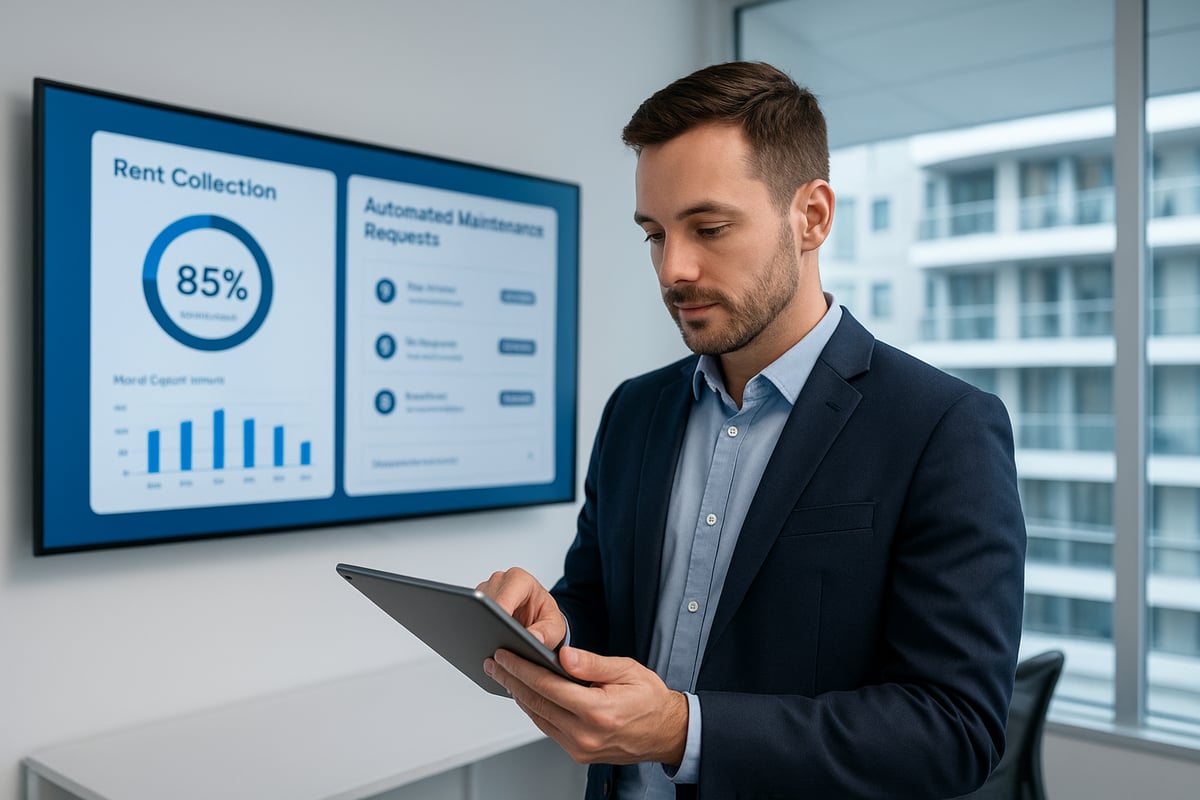
Overview of Essential Property Management Software
The backbone of key property management today is robust software. These platforms streamline every aspect of the business, from leasing to financial reporting. Leading solutions like AppFolio, Buildium, and Yardi provide comprehensive features that automate manual tasks and centralize operations.
Choosing the right software depends on your portfolio size, budget, and specific property needs. For an in-depth comparison of top options and their unique strengths, visit Best Property Management Software for 2025.
A well-chosen platform simplifies communication, tracks maintenance, and supports all key property management goals.
| Platform | Best for | Key Feature |
|---|---|---|
| AppFolio | Large portfolios | Advanced analytics |
| Buildium | Mid-size, residential | Automated leasing |
| Yardi | Commercial & multifamily | Integrated CRM |
Automation Benefits in Daily Operations
Automation is transforming key property management by reducing administrative workload and human error. Automated rent collection ensures timely payments, while digital maintenance request systems speed up response times for tenants.
Other benefits include:
- Streamlined communication through bulk messaging
- Scheduled reminders for lease renewals
- Automated late fee implementation
By automating repetitive processes, property managers can focus on value-added tasks and strategic growth. The result is a more responsive and scalable key property management operation.
AI and Virtual Assistants: The New Standard
Artificial intelligence is now a cornerstone of key property management. AI-powered chatbots and virtual assistants handle routine inquiries, schedule showings, and provide 24/7 tenant support. This technology not only improves response times but also enhances the tenant experience.
Virtual assistants can learn tenant preferences, answer common questions, and even generate reports for managers. Integrating AI tools ensures that key property management teams are always available, even outside business hours, leading to higher satisfaction and retention.
Cybersecurity and Data Protection in 2025
With the rise of digital solutions in key property management, cybersecurity has become essential. Sensitive tenant data, payment information, and financial records must be protected from cyber threats.
Modern property management platforms offer:
- Multi-factor authentication
- Data encryption
- Regular security audits
Investing in cybersecurity not only safeguards data but also builds trust with tenants and owners. Key property management professionals should prioritize regular training and updates to stay ahead of potential vulnerabilities.
Choosing and Implementing Technology
Adopting new technology is only effective when paired with proper planning and staff training. Key property management teams should assess their unique needs, set clear objectives, and involve staff in the transition process.
Tips for seamless tech adoption:
- Pilot new tools with a small group before full rollout
- Offer comprehensive training sessions
- Collect and act on user feedback
Smart home integration is a growing trend, with features like remote access and energy monitoring improving tenant satisfaction. As technology evolves, key property management firms that embrace innovation will maintain a competitive advantage.
Building Strong Tenant Relationships for Retention
Building strong tenant relationships is a cornerstone of key property management. In 2025, fostering trust and satisfaction is more than a courtesy, it is a necessity for property owners aiming for long-term success. A positive tenant experience not only reduces turnover but also enhances property reputation and profitability.

Effective Tenant Screening and Onboarding
The journey to strong tenant relationships starts with comprehensive screening and onboarding. Applying consistent criteria during the screening process helps ensure reliable tenants who align with your property’s values. During onboarding, providing clear guidelines, policies, and a friendly welcome fosters early trust. This proactive approach is a hallmark of key property management, laying the foundation for a stable tenancy and reducing future disputes.
Transparent, Proactive Communication
Clear and timely communication is vital for tenant satisfaction. Responding promptly to inquiries, sharing updates, and addressing concerns openly builds rapport and reduces misunderstandings. Utilizing resources such as a Frequently asked questions for renters page can streamline communication and empower tenants to find answers independently. This transparency is a pillar of key property management, creating a supportive environment that retains tenants.
Leveraging Online Portals for Engagement
Modern tenants expect convenience and accessibility in their rental experience. Online portals allow tenants to submit maintenance requests, pay rent, and provide feedback quickly. These platforms increase operational efficiency and demonstrate a commitment to tenant needs, which is central to key property management. Digital engagement tools provide a record of interactions, making it easier to track issues and ensure resolution.
Personalized Service and Tenant Satisfaction
Personal touches can make a significant difference in tenant retention. Remembering tenant milestones such as birthdays or move-in anniversaries helps residents feel valued. Customizing communication and addressing unique preferences are strategies that define key property management in 2025. Satisfied tenants are more likely to renew leases, reducing vacancy rates and increasing overall stability.
Data-Driven Insights on Tenant Retention
Industry statistics consistently show a strong link between tenant satisfaction and lease renewals. High satisfaction rates can boost occupancy, while unresolved issues often lead to costly turnovers. Tracking renewal rates and gathering feedback are essential practices in key property management. This data-driven approach enables property managers to identify trends, address problems early, and continuously improve service quality.
Conflict Resolution and Rewards Programs
Conflicts are inevitable, but effective resolution techniques can transform challenges into opportunities for trust-building. Listening actively and mediating fairly are crucial. Implementing tenant rewards or referral programs further incentivizes positive behavior and loyalty. These initiatives are increasingly recognized as best practices in key property management, enhancing community spirit and long-term retention.
Measuring and Responding to Tenant Feedback
Regularly soliciting and acting on tenant feedback demonstrates a commitment to improvement. Surveys, suggestion boxes, or digital feedback tools can uncover valuable insights. Responding promptly to concerns not only resolves issues but also signals respect for tenant voices. In key property management, this ongoing dialogue is essential for adapting to evolving expectations and maintaining high occupancy rates.
Financial Management and Profit Optimization
Effective financial management is at the heart of key property management success in 2025. With rising costs and evolving market dynamics, property owners must adopt robust strategies to maintain profitability. This section explores essential steps for budgeting, revenue optimization, expense control, and adapting to new challenges.

Budgeting and Cash Flow Management
A disciplined approach to budgeting is a cornerstone of key property management. Start by listing all projected income sources, including rent, parking, and ancillary fees. Next, outline fixed and variable expenses such as mortgage payments, maintenance, utilities, and property taxes.
Create a monthly cash flow statement to monitor inflows and outflows. Set aside reserves for unexpected repairs or vacancies. Use property management software to track real-time financial data and flag anomalies early.
Regularly review your budget against actual results. Adjust allocations as needed to ensure operational efficiency and avoid cash shortfalls. By prioritizing these habits, you lay a strong foundation for key property management profitability.
Maximizing Rental Income and Pricing Strategies
Optimizing rental income is central to key property management. Begin with a market analysis to benchmark your rental rates against similar properties in the area. Tools like rent comparison reports and competitor analysis can reveal opportunities for adjustment.
Consider dynamic pricing models that account for seasonality, local demand, and property features. Offer value-added amenities such as high-speed internet or smart home technology to justify premium rent.
Review lease terms annually to reflect market trends and inflation. Implement tiered pricing for furnished units or flexible lease durations. These strategies help maximize occupancy and revenue, strengthening your key property management outcomes.
Cost Control, Compliance, and Reporting
Keeping expenses in check is vital for key property management profitability. Preventative maintenance reduces costly emergency repairs. Negotiate bulk purchasing agreements with suppliers for savings on common materials.
Stay compliant with laws regarding security deposits, late fees, and annual reporting. Use financial dashboards to visualize performance metrics and streamline record-keeping. According to 2025 Property Management Industry Statistics, average profit margins vary by region, but firms leveraging automation and analytics outperform peers.
Maintain secure digital records to simplify audits and ensure transparency. By integrating compliance and reporting tools, property owners enhance their control over key property management finances.
Adapting to Market Changes and Regional Examples
In 2025, adaptability is a defining trait of key property management. Monitor regional market trends, such as fluctuating utility costs in New Brunswick, which can impact operating budgets. When energy prices spike, consider investing in energy-efficient upgrades or renegotiating supply contracts.
Scenario planning helps prepare for regulatory shifts or economic downturns. Stay updated on local taxes, incentives, or grant opportunities that affect your bottom line.
Encourage feedback from staff and tenants to identify cost-saving opportunities. By remaining agile and informed, property managers can safeguard profitability and sustain long-term growth in a changing landscape.
Legal Compliance and Risk Management in 2025
Navigating the legal landscape in 2025 is a core aspect of key property management. New regulations, evolving tenant expectations, and increased risk factors mean property managers must stay agile and informed to protect their investments and reputation.
Updated Landlord-Tenant Laws and Fair Housing
Recent years have seen significant updates to landlord-tenant laws. Fair housing regulations are stricter, with expanded protections for tenants against discrimination. Staying compliant is essential for key property management and helps prevent costly disputes or penalties. Regular training on these laws is now a standard best practice.
Health, Safety, and Accessibility Standards
New health and safety codes are shaping property management requirements. This includes improved ventilation, fire safety upgrades, and mandatory accessibility features. Meeting these standards is not only a legal obligation but also a vital part of key property management, ensuring properties remain attractive and habitable for modern tenants.
Insurance Essentials: Liability, Property, and Cyber Coverage
Robust insurance is a non-negotiable for 2025. Property managers need liability coverage, property insurance, and increasingly, cyber insurance. Cyber risks are rising as more data moves online. A comprehensive insurance portfolio protects against lawsuits, property damage, and digital threats, forming a backbone for key property management.
Eviction Procedures and Legal Alternatives
Eviction laws have evolved, with greater emphasis on mediation and tenant support. Property managers must follow updated procedures, document every step, and consider alternatives like payment plans. Understanding these processes reduces legal exposure and supports effective key property management.
Data Privacy and Record-Keeping
With digital records now standard, strict data privacy rules apply. Secure storage, regular audits, and clear access protocols are critical. This aspect of key property management not only builds tenant trust but also ensures compliance with provincial and federal regulations.
Navigating Local Regulations: The New Brunswick Example
Local rules can differ greatly. In New Brunswick, property managers must keep up with changes in rent control, inspection requirements, and municipal bylaws. Adapting policies to fit local expectations is a hallmark of key property management and helps avoid fines or legal disputes.
Risk Mitigation Strategies for Disasters and Emergencies
Natural disasters and emergencies are unpredictable, but preparation is possible. Develop emergency response plans, conduct regular safety drills, and invest in resilient infrastructure. These risk mitigation strategies are now a standard part of key property management, safeguarding both assets and tenants.
Resources for Staying Current with Legal Changes
Ongoing education is vital. Property owners can access Property owner services overview for updates, compliance checklists, and expert support. Leveraging these resources ensures key property management strategies remain up to date and effective in a rapidly changing environment.
Future-Proofing Your Property Management Strategy
Adapting to change is essential in key property management as 2025 brings both opportunities and challenges. To remain competitive, property managers must proactively update their strategies, teams, and tools.
Continuous Learning and Team Agility
Continuous learning is the backbone of key property management success. With regulations and technology evolving rapidly, regular training ensures teams stay ahead. Encourage your staff to pursue certifications and attend industry workshops.
Building agile teams is equally important. Flexible management models allow quick adaptation to regulatory shifts and market changes. For example, cross-training staff on both leasing and maintenance tasks increases resilience. Explore resources like residential property management to stay updated on best practices and compliance.
Embracing Trends and Partnerships
Staying informed about trends is vital for key property management. Smart buildings, ESG initiatives, and short-term rental platforms are reshaping the industry. Form partnerships with tech providers and sustainability consultants to offer modern solutions.
Networking within property management communities opens doors to new ideas and collaboration. To keep pace with automation, review tools featured in 8 of the Best Property Management Automation Tools in 2025. Leveraging such innovations boosts efficiency and tenant satisfaction.
Strategic Planning for the Future
Future-proofing key property management requires setting clear KPIs and using analytics to guide decisions. Monitor metrics like occupancy rates, tenant retention, and maintenance costs. Scenario planning, such as preparing for regulatory changes, builds long-term stability.
Encourage feedback from both staff and tenants to spark innovation. Regularly review your strategy, adjusting it as new trends and challenges emerge. By embracing data-driven planning and a culture of continuous improvement, your property management business will thrive in 2025 and beyond.