
Unlock the full potential of your rental property in 2025 with forward-thinking strategies designed for today’s dynamic real estate market.
This guide delivers expert insights and practical steps to help you excel at property management in an ever-evolving industry. Discover how to enhance tenant satisfaction, boost your property’s value, and stay compliant with the latest legal and technological changes.
Whether you are a seasoned investor or new to the field, you will find actionable advice on everything from tenant relations to digital solutions. With mu property management expertise, you can confidently navigate new trends and maximize your returns.
Prepare to future-proof your investments and enjoy stress-free property management success.
Understanding the 2025 Property Management Landscape
Navigating the property management landscape in 2025 requires adaptability and insight. For those using mu property management services, understanding the evolving environment is crucial to staying competitive and maximizing returns. Let’s explore the major factors shaping the year ahead.
Evolving Tenant Expectations and Demographics
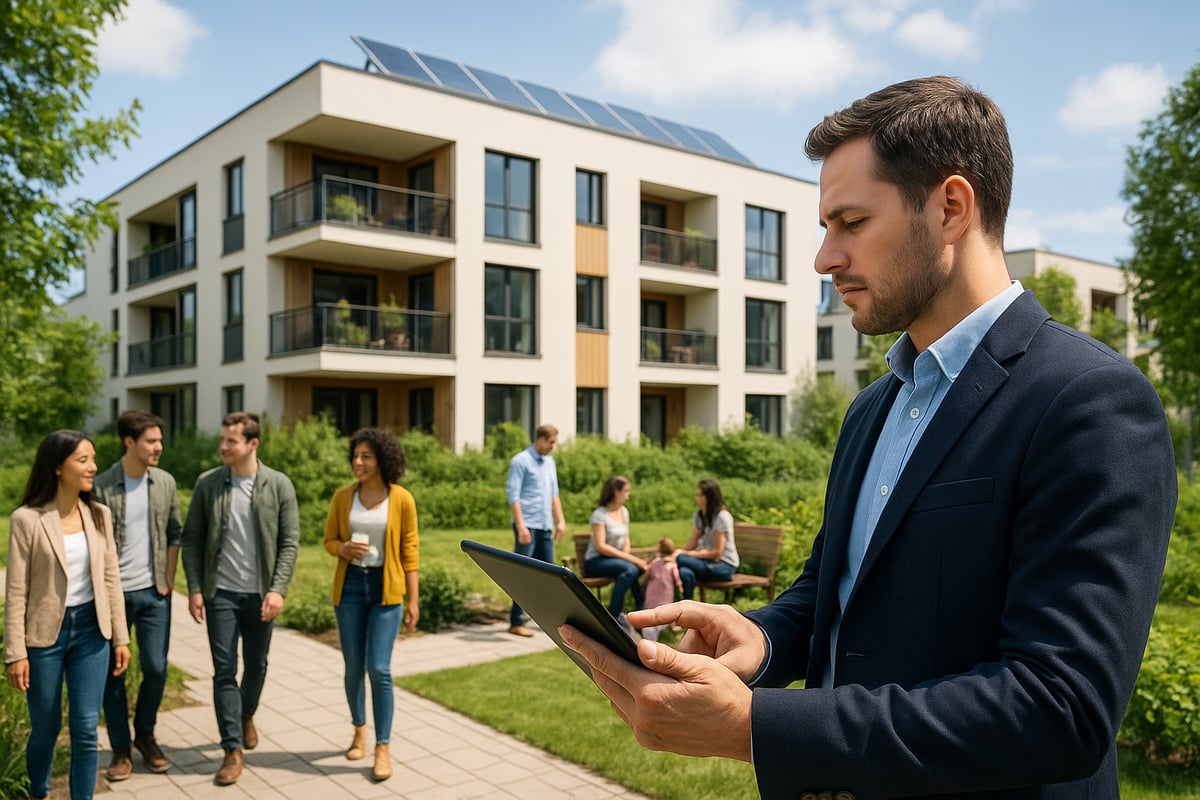
Tenant preferences are shifting rapidly. Modern renters prioritize amenities such as high speed internet, flexible lease terms, and pet friendly spaces. The typical renter profile now includes remote workers, students, and professionals seeking convenience and community.
Sustainability matters more than ever. Energy efficient appliances and green spaces are increasingly non negotiable. In a recent 2024 survey, over 60% of renters ranked reliable internet as their top amenity, while pet policies and smart home features followed closely.
mu property management adapts to these trends by offering tech enabled, eco conscious apartments that appeal to a broad demographic. Properties that cater to these needs tend to have higher occupancy and tenant satisfaction.
Regulatory and Legal Updates
Staying compliant with new regulations is a cornerstone of successful mu property management. Rental laws are evolving, with updates affecting tenant protections, lease agreements, and eviction processes. Local governments, such as in New Brunswick, have introduced new rent control measures and expanded tenant rights.
Ignorance of these changes can lead to costly disputes or penalties. It is vital for property owners to review lease agreements regularly and consult with legal experts. Regular training for management staff ensures that all practices align with the latest legal expectations.
By proactively monitoring regulatory updates, mu property management reduces risk and ensures a smooth experience for both tenants and landlords.
Market Trends and Economic Factors
The economic climate in 2025 presents both challenges and opportunities. Rental prices are fluctuating, influenced by inflation, interest rates, and changing demand. For instance, Moncton saw rental growth outpace the national average by 3% in 2024, a trend expected to continue.
Vacancy rates are affected by local employment trends and population shifts. Higher property expenses due to inflation require careful budgeting and rent adjustment strategies. Owners using mu property management benefit from market insights that help them set competitive rents and retain quality tenants.
Economic shifts also impact tenant turnover. Offering incentives and responsive service can boost retention, even during uncertain times.
Technology’s Role in Modern Property Management
Technology is transforming every aspect of mu property management. Online platforms now streamline leasing, rent payments, and maintenance requests, making processes faster for both tenants and staff.
Smart home devices, such as keyless entry and automated climate control, enhance security and convenience. In fact, 75% of property managers plan to increase technology investments in 2025. Systems offering 24/7 online applications and maintenance requests are now standard.
For a deeper look at how virtual tours, remote leasing, and sustainable solutions are shaping the industry, see the Emerging Trends in Property Management for 2025.
Sustainability and Green Building Initiatives
Sustainability is no longer optional in mu property management. Energy efficient upgrades, such as LED lighting and solar panels, are increasingly popular. Green certifications help properties stand out and command higher rents, with some buildings earning up to 10% more than non certified counterparts.
Government incentives make eco friendly improvements more accessible. Properties with a focus on sustainability report higher occupancy rates and improved tenant retention. Simple upgrades, like smart thermostats or improved insulation, can reduce utility costs and attract environmentally conscious renters.
Investing in sustainability ensures mu property management remains future ready and appealing in a competitive market.
Core Principles of Effective Property Management
Mastering the fundamentals of property management is essential for long-term success. Whether you oversee a single unit or a diverse portfolio, these core principles set the foundation for efficiency, compliance, and tenant satisfaction. By integrating best practices, mu property management ensures every aspect of property operations runs smoothly and professionally.

Communication and Transparency
Clear, timely communication builds trust between property managers and tenants. Effective mu property management involves using digital tools like email, app notifications, and online portals to send updates and receive feedback.
- Automated rent reminders help tenants stay on schedule.
- Digital lease renewals streamline processes.
- Regular newsletters keep everyone informed.
Transparent policies and open channels ensure tenants feel heard and valued. This proactive approach can significantly reduce misunderstandings and foster positive relationships.
Maintenance and Upkeep Standards
Consistent maintenance is a hallmark of mu property management. Scheduling regular inspections and preventive care helps avoid costly repairs.
There are two main strategies:
| Maintenance Approach | Pros | Cons |
|---|---|---|
| In-house | Faster response times | Higher payroll costs |
| Outsourced | Specialized expertise | Potential scheduling delays |
Implementing 24/7 emergency response systems reassures tenants that their concerns are always a priority. Prompt attention to maintenance requests boosts satisfaction and retention.
Financial Management and Budgeting
Robust financial oversight is critical for mu property management. Setting competitive rental rates based on current market data ensures properties attract quality tenants.
Property management software can automate rent collection, track expenses, and generate financial reports. For property owners seeking professional guidance, Property management services for owners provide tailored budgeting and financial solutions.
Clear late payment policies and regular reviews of income statements help maintain profitability and reduce financial risks.
Tenant Screening and Retention
Thorough tenant screening is vital for reducing turnover and avoiding future conflicts. Mu property management prioritizes background checks, credit assessments, and reference verification during the application process.
To retain tenants, focus on:
- Prompt maintenance responses
- Incentives for long-term leases
- Creating positive move-in experiences
A satisfied tenant is more likely to renew, reducing vacancy periods and ensuring steady income.
Legal Compliance and Risk Management
Staying updated on rental laws and regulations protects both property owners and tenants. Mu property management regularly reviews lease agreements to ensure compliance with evolving legal standards.
Effective risk management includes:
- Proper handling of security deposits
- Maintaining adequate insurance coverage
- Conducting periodic legal audits
By prioritizing legal compliance, managers avoid costly disputes and penalties, safeguarding the property’s reputation and value.
Leveraging Technology for Efficiency
Embracing digital solutions streamlines daily operations. Mu property management utilizes online portals for applications, rent payments, and maintenance tracking.
Cloud-based document management enables secure storage and quick access to important files. Properties using digital tools report up to 20 percent faster issue resolution, enhancing both manager productivity and tenant satisfaction.
Technology also supports data-driven decision making, allowing for continuous improvement in all areas of property management.
Step-by-Step Guide to Managing Rental Properties in 2025
Unlocking the full potential of your rental property in 2025 requires a strategic, detail-oriented approach. This step-by-step guide will help you navigate every stage of property management with confidence, ensuring both tenant satisfaction and long-term asset growth. Each step integrates best practices proven effective for the modern market, making this an indispensable resource for property owners and professionals looking to excel with mu property management.
Step 1: Preparing Your Property for the Market
First impressions matter. Begin by thoroughly assessing your rental unit, identifying any repairs or upgrades needed to meet current standards. Focus on energy-efficient lighting, modern appliances, and fresh paint. Staging the property and investing in professional photography can make your listing stand out.
A well-prepared property not only attracts better tenants but also reduces vacancy periods. With mu property management, you ensure every detail is addressed, from curb appeal to safety checks, setting the stage for a successful rental experience.
Step 2: Marketing and Attracting Quality Tenants
Effective marketing is crucial in a competitive landscape. Craft compelling online listings using high-quality visuals and detailed descriptions. Target your audience by highlighting amenities that appeal to professionals, students, and remote workers.
Leverage social media, rental platforms, and local partnerships to maximize reach. For those seeking residential rental options in Moncton, consider referencing Residential rental options in Moncton to showcase availability and features. With mu property management, your marketing strategy is both broad and targeted, ensuring your property reaches the right tenants.
Step 3: Screening and Selecting Tenants
A robust screening process is essential for minimizing risk. Require comprehensive applications that include background, credit, and reference checks. Adhere to fair housing laws to ensure compliance and inclusivity.
By implementing strict screening protocols, mu property management reduces the likelihood of late payments and tenant disputes. This careful selection process helps foster a stable, respectful rental community and protects your investment.
Step 4: Lease Agreements and Onboarding
Draft clear, legally compliant lease agreements that outline tenant responsibilities, rent terms, and property policies. Utilize digital signing tools for efficiency and convenience. Prepare welcome packages and detailed move-in checklists to streamline the onboarding process.
Mu property management emphasizes transparency and organization at this stage, ensuring tenants understand expectations and feel supported from day one. This proactive approach leads to smoother move-ins and fewer misunderstandings.
Step 5: Ongoing Tenant Relations and Support
Maintaining strong tenant relationships is key to retention. Establish clear communication channels, such as dedicated email addresses or online portals, for updates and notices. Address maintenance requests promptly and professionally.
With mu property management, ongoing support includes 24/7 hotlines and regular feedback opportunities, ensuring tenants feel valued and heard. Effective communication builds trust and encourages long-term tenancies.
Step 6: Maintenance, Inspections, and Upgrades
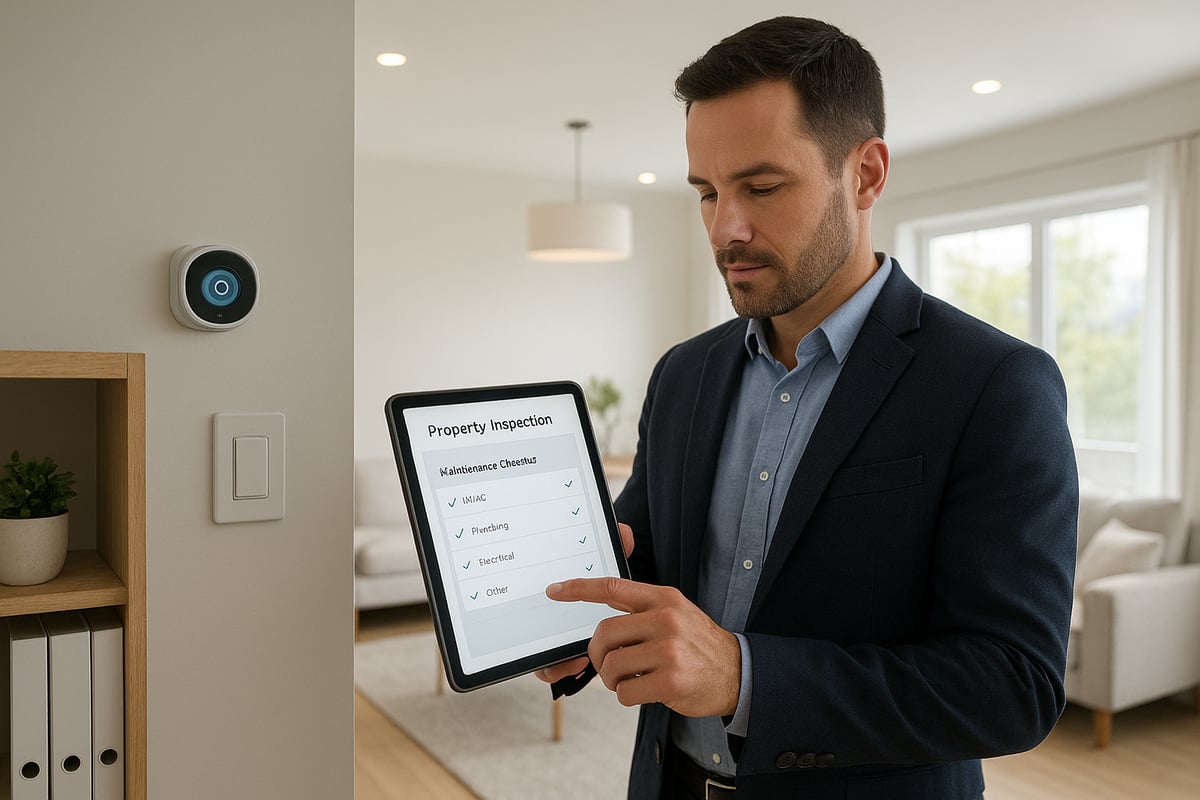
Regular property inspections and preventive maintenance are vital for asset longevity. Schedule routine checks, address issues before they escalate, and plan for capital improvements. Consider annual servicing for systems like HVAC to minimize emergency repairs.
Mu property management balances in-house and outsourced maintenance, prioritizing swift responses and high-quality workmanship. Upgrades focused on energy efficiency can boost occupancy rates and property value.
Step 7: Rent Collection and Financial Oversight
Set up automated rent collection systems to simplify payments and reduce late fees. Monitor income and expenses closely using property management software for accurate financial reporting. Establish clear late payment policies to maintain consistency.
Mu property management leverages technology to ensure timely rent collection and transparent accounting. This approach not only streamlines operations but also provides valuable insights for financial planning.
Step 8: Lease Renewals and Move-Out Procedures
Proactively manage lease renewals by offering incentives and communicating early with tenants. Streamline move-out inspections with standardized checklists, and process security deposit returns promptly. Collect feedback through exit surveys to identify areas for improvement.
Mu property management makes these transitions seamless, reducing turnover and enhancing tenant satisfaction. A structured approach to renewals and move-outs maintains occupancy and supports a positive reputation.
Leveraging Technology and Innovation for Property Management Success
Staying ahead in property management requires more than traditional methods. For mu property management, adopting innovative technology and digital solutions is now essential to meet tenant expectations and optimize operations. Let’s explore how technology is reshaping the landscape and how property owners can leverage these tools for lasting success.
Digital Platforms and Automation
Digital platforms are revolutionizing the daily operations of mu property management. Online portals now allow tenants to submit applications, pay rent, and request maintenance with just a few clicks. Automation tools handle routine reminders, lease renewals, and even rent collection, reducing manual effort and minimizing errors.
Key benefits include:
- Streamlined communication between tenants and management
- Quicker response times for maintenance and support
- Reduction in paperwork through digital documentation
With these platforms, mu property management can focus more on delivering exceptional tenant experiences while maintaining operational efficiency.
Smart Home and Security Solutions
Integrating smart technology is quickly becoming a standard for mu property management. Smart locks, connected thermostats, and advanced security systems not only enhance tenant convenience but also improve property safety and energy efficiency.
For example, properties equipped with smart access systems report higher tenant satisfaction and fewer security concerns. The Integration of Smart Building Technology highlights how these innovations are transforming the rental experience, making it easier to manage access and monitor property conditions remotely.
By adopting smart solutions, mu property management stands out in a competitive market and meets the growing demand for modern amenities.
Data Analytics and Performance Tracking
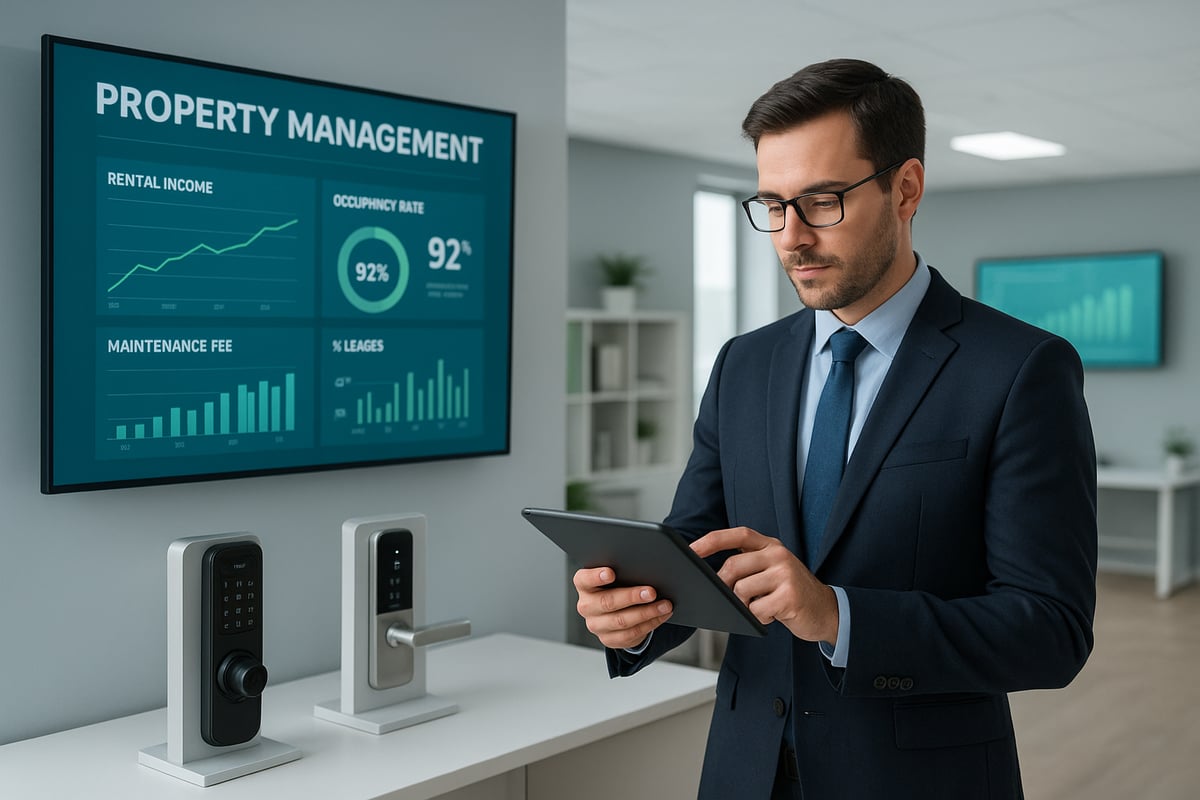
Data-driven decisions are central to the success of mu property management. Analytics platforms track key metrics like occupancy rates, maintenance costs, and tenant feedback. This insight allows managers to identify trends, anticipate issues, and allocate resources more effectively.
A sample performance tracking table:
| Metric | Benefit |
|---|---|
| Occupancy Rate | Identifies leasing performance |
| Maintenance Response | Improves service speed |
| Tenant Satisfaction | Guides retention efforts |
By leveraging data, mu property management can make informed improvements that boost both tenant satisfaction and financial returns.
Virtual Tours and Remote Management
Virtual tours have become invaluable for mu property management, especially for attracting remote applicants. High-quality video walkthroughs and interactive 3D tours allow prospective tenants to explore properties from anywhere, increasing reach and convenience.
Remote management tools, such as cloud-based systems, enable property managers to handle leasing, inspections, and communication without being onsite. This flexibility is vital for scaling mu property management operations while maintaining quality service.
Compliance and Document Management
Staying compliant is a top priority for mu property management. Secure digital storage ensures that leases, inspection reports, and legal documents are organized and accessible. Automated version control helps keep contracts up to date and reduces the risk of costly errors.
Digital compliance tools also safeguard sensitive tenant information and help meet regulatory requirements. By embracing these innovations, mu property management minimizes legal risks and builds trust with tenants and stakeholders.
Financial Strategies for Maximizing Rental Property ROI
Maximizing your rental property’s return on investment requires more than just setting the right price. With the evolving 2025 market, mu property management professionals must embrace a holistic approach. From dynamic pricing and cost control to leveraging tax breaks and data-driven analysis, every decision impacts your bottom line.
Setting Competitive Rental Rates
Effective mu property management starts with pricing. Analyze local market trends, competitor listings, and recent upgrades to determine the most attractive yet profitable rent. Properties with modern amenities, such as energy-efficient appliances or smart home features, often command 8–12% higher rents. Regularly review rental data to ensure your pricing remains competitive. Adjust rates based on seasonal demand or property improvements. By staying proactive, you can maximize income while attracting high-quality tenants. Remember, flexible pricing strategies help maintain occupancy and boost overall ROI.
Expense Management and Cost Reduction
Cutting operational costs is essential for mu property management success. Start by auditing recurring expenses and identifying savings opportunities. Switching to energy-efficient lighting and appliances can lower utility bills significantly. Negotiate better terms with vendors or consider bulk purchasing for maintenance supplies. Stay updated on Sustainability Initiatives in Property Management to discover new cost-saving technologies and green solutions. Balancing quality with efficiency ensures your property remains both desirable and profitable.
Tax Planning and Incentives
Strategic tax planning is a vital part of mu property management. Take advantage of allowable deductions for repairs, depreciation, and management fees. Keep detailed records of all expenses to streamline tax filing. Explore government incentives for sustainable upgrades, such as tax credits for installing energy-efficient windows or insulation. Consult with a tax professional to identify all applicable benefits and avoid costly mistakes. Proper planning not only reduces your tax burden but also frees up capital for reinvestment into your properties.
Managing Vacancy and Turnover
High vacancy rates can erode profits, making tenant retention a top priority for mu property management teams. Implement proactive retention programs, such as renewal incentives or referral bonuses, to encourage tenants to stay. Respond promptly to maintenance requests and foster a positive rental experience. Data shows that in Moncton, vacancy rates dropped by 1.5% with such strategies. Minimizing turnover cuts costs associated with marketing and unit preparation, helping you maintain steady cash flow and long-term profitability.
Financial Reporting and Performance Analysis
Robust financial reporting is the backbone of successful mu property management. Use property management software to automate income and expense tracking, generate cash flow statements, and benchmark performance against local averages. Embrace AI-Powered Predictive Analytics in Property Management to forecast trends and identify operational inefficiencies. Regularly reviewing your financial data allows you to make informed decisions, optimize performance, and quickly address potential issues before they impact ROI.
| Strategy | ROI Impact | Example Outcome |
|---|---|---|
| Competitive Pricing | +8–12% | Higher rent, faster leasing |
| Expense Reduction | -10–15% costs | Lower utility expenses |
| Tax Incentives | -5–8% taxes | Increased net income |
| Retention Programs | -1.5% vacancy | Reduced turnover costs |
| Analytics & Reporting | +5% efficiency | Faster issue resolution |
By integrating these financial strategies, mu property management teams can position their properties for sustained growth and profitability in 2025.
Building Long-Term Value and Tenant Satisfaction
Building long-term value and tenant satisfaction with mu property management requires a multi-faceted approach. Property owners who focus on both physical assets and community experience see higher retention rates, stronger reputations, and increased property values. Each of the following pillars plays a critical role in this process.
Enhancing Tenant Experience
Delivering an exceptional tenant experience is central to the mu property management philosophy. Creating a welcoming environment starts with open communication and responsive support. Hosting tenant appreciation events, providing shared amenities like fitness centers or lounges, and offering digital communication channels all help foster a sense of belonging.
For tenants with common questions, directing them to the Frequently asked questions for renters page ensures quick access to helpful information and reinforces trust. When residents feel valued and heard, they are more likely to renew their leases and recommend the property to others.
Property Improvements and Modernization
Continuous property upgrades are essential for mu property management to maintain market competitiveness. Investing in renovations such as updated kitchens, modern flooring, and energy-efficient appliances can significantly boost both tenant satisfaction and property value.
Sustainable improvements like LED lighting or smart thermostats not only appeal to eco-conscious renters but also reduce operational expenses. Encouraging tenants to use the maintenance request process for tenants streamlines repairs, allowing issues to be addressed promptly and efficiently.
Community Engagement and Reputation Management
Active community engagement is a cornerstone of mu property management. Building positive relationships with local businesses and organizations creates opportunities for partnerships and enhances the overall living experience.
Encouraging tenants to leave reviews and share testimonials on rental platforms builds a strong online reputation. High ratings attract new residents and signal a commitment to quality service. Hosting community events, such as seasonal gatherings or educational workshops, further strengthens tenant loyalty.
Staff Training and Professional Development
Ongoing staff training is vital for mu property management teams to deliver top-tier service. Regular workshops on customer service, compliance, and new technologies equip staff with the skills needed to handle resident concerns promptly and professionally.
Key training topics include:
- Effective communication techniques
- Updates on legal and regulatory requirements
- Technology adoption for property management
- Conflict resolution strategies
Supporting staff development ensures consistent service and helps foster a culture of excellence.
Future-Proofing Your Property Management Strategy
Staying ahead in property management requires adaptability. Mu property management continually monitors emerging trends, such as smart home technology, flexible leasing, and sustainability initiatives, to remain competitive.
Implementing innovative solutions like online portals, smart locks, and energy-efficient systems positions properties for long-term success. Reviewing tenant preferences regularly allows for proactive adjustments to amenities and services. By future-proofing strategies, property owners create lasting value and maximize tenant satisfaction.