
Are you prepared to excel as a lettings manager in 2025? The property landscape is shifting quickly, bringing fresh challenges and new opportunities for ambitious professionals.
This guide offers expert strategies and the latest insights to help every lettings manager stand out. You will discover essential skills, regulatory updates, technology trends, and proven leadership approaches designed for the coming year.
Explore actionable tips to enhance your results, reputation, and daily performance. Ready to start your journey to success? Dive in and unlock your potential as a top-performing lettings manager in 2025.
The Evolving Role of the Lettings Manager in 2025
The lettings manager role is undergoing significant transformation as the property industry adapts to new regulations, technology, and client expectations. In 2025, this position demands a blend of operational expertise, compliance awareness, and people management. Success hinges on mastering both the day-to-day and long-term strategic elements of the job.
Key Responsibilities and Daily Tasks
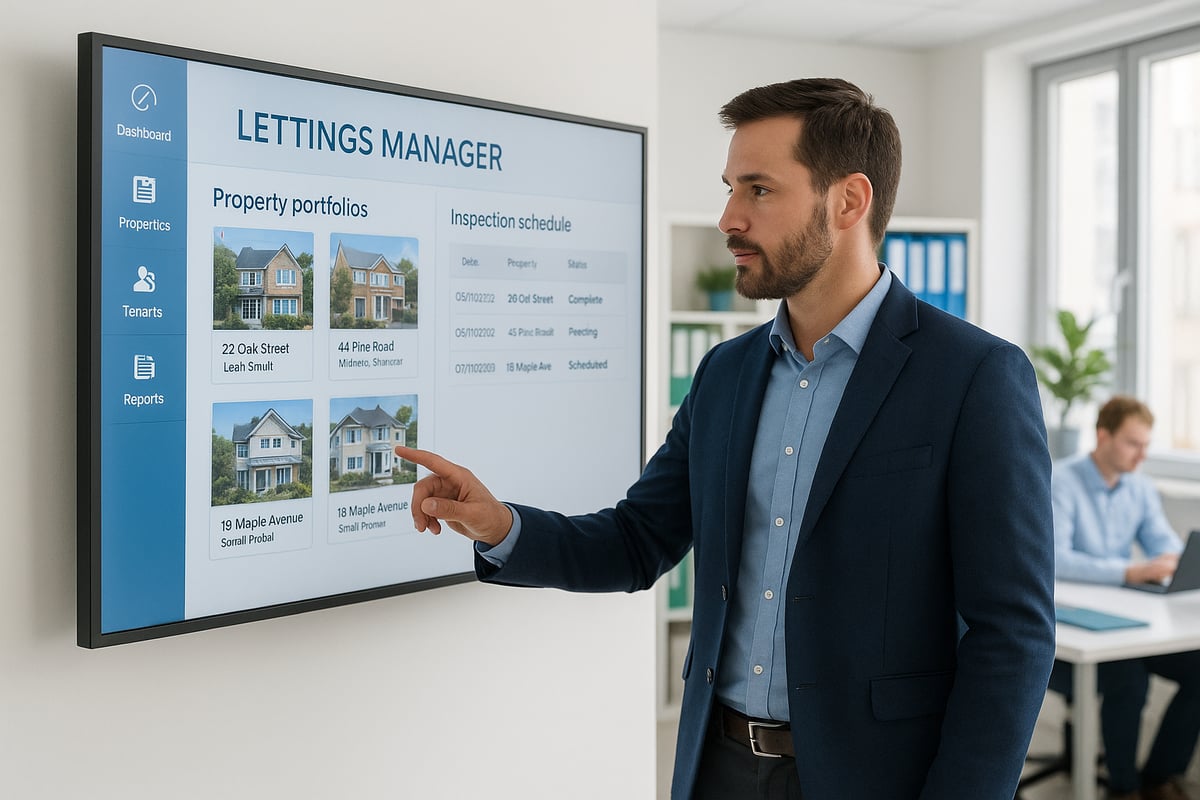
A lettings manager oversees a diverse portfolio, ensuring landlords and tenants receive exceptional service. Daily tasks include:
- Managing compliance processes like tenant right-to-rent checks, credit assessments, and deposit protection.
- Handling documentation for leases, renewals, and legal paperwork.
- Coordinating inspections and maintenance, often using digital tools for efficiency.
- Communicating with tenants and landlords to resolve repairs, disputes, and gather feedback.
- Managing finances, from rent collection to contractor payments and budgeting.
In cities like London, lettings managers now manage over 100 units each, highlighting the scale and complexity of the role. They must also be adept at addressing common renter queries, such as those found on Frequently asked questions for renters. Adaptability to company-specific priorities, such as cost efficiency or customer service, is essential.
Skills and Competencies for Success
To thrive in 2025, a lettings manager must possess strong attention to detail to avoid errors with repairs, rent, or documentation. Prioritization and self-management skills prevent reactive "firefighting," ensuring proactive operations.
Interpersonal skills are crucial for resolving disputes and delivering excellent customer service. IT proficiency is increasingly important, with familiarity in platforms like Reapit or Sage expected. ARLA qualifications are highly valued, and most top job postings now require at least four years of lettings experience. These competencies distinguish effective professionals in a competitive market.
Leadership and Team Management
A successful lettings manager is not only an individual contributor but also a team leader. Responsibilities include:
- Training, motivating, and supervising lettings staff.
- Setting and monitoring KPIs for team and individual performance.
- Supporting staff development and career progression.
- Fostering a positive, high-performance office culture.
Agencies increasingly highlight autonomy and opportunities for growth as major attractions for top managers. By nurturing talent and promoting collaboration, a lettings manager drives both team satisfaction and business results.
Market and Industry Trends
The property sector is experiencing rapid change. There is rising demand for compliance expertise, especially with new legislation such as the Renters’ Rights Act. Agencies are focusing on portfolio expansion and branch profitability.
Customer feedback and online reviews now play a larger role in reputation management. Multi-branch agencies are centralizing compliance and operations to maintain standards across locations. Staying informed about these trends helps a lettings manager remain adaptable and competitive.
Challenges and Opportunities in 2025
Lettings managers face stricter fines and legal risks, with penalties reaching £40,000 for non-compliance. Balancing ambitious growth targets with consistent service quality is a constant challenge.
Hybrid work models and remote management are becoming more common, requiring flexibility and strong digital communication. Many roles now offer work-from-home or flexible arrangements, reflecting the industry's shift toward modern employment practices. For the lettings manager, these changes present both challenges to navigate and opportunities to excel.
Navigating Compliance and Legal Changes
Staying ahead of compliance is critical for every lettings manager in 2025. The regulatory environment is becoming more complex, with new laws and stricter enforcement shaping daily operations. By mastering legal changes, implementing robust processes, and building a compliance-first culture, a lettings manager can protect their agency and reputation.

Key Regulatory Updates for 2025
In 2025, the lettings manager must navigate sweeping regulatory changes. The Renters' Rights Act 2025 Overview introduces new protections for tenants, including a ban on rent bidding wars and expanded notice periods. Agencies now face fines up to £40,000 for non-compliance, making legal awareness more important than ever.
Additional anti-money laundering (AML) rules, energy efficiency standards, and sanctions compliance requirements are also coming into force. These updates raise the stakes for every lettings manager, who must stay informed to avoid costly mistakes. Reviewing government updates and industry bulletins should become a routine part of compliance management.
Essential Compliance Processes
A lettings manager is responsible for implementing and maintaining essential compliance processes. These include right-to-rent checks, deposit protection through registered schemes, and ensuring gas, electrical, and EPC certificates are current. Adherence to ARLA and RICS standards is now a basic expectation for agencies.
To manage these requirements, many agencies use digital checklists and automated reminders. Documenting every compliance step is crucial, as it provides evidence in case of an audit or dispute. The lettings manager must regularly review legislation changes and update office procedures accordingly to maintain full compliance.
Risk Management and Avoiding Penalties
Managing risk is a core duty for a lettings manager. With larger fines and reputational risks at stake, robust compliance systems are essential. Introducing detailed checklists, audit trails, and regular team training helps prevent common errors that can lead to penalties.
Technology can further support risk management by automating reminders for safety certificates and deposit deadlines. Centralizing compliance information allows the lettings manager to monitor multi-branch portfolios more effectively. Agencies that prioritize these systems consistently report fewer violations and a stronger legal standing.
Handling Disputes and Legal Challenges
Dispute resolution is a daily reality for any lettings manager. Whether dealing with tenant complaints or landlord disagreements, prompt and fair handling is vital to avoid escalation. Documenting every communication and action provides protection if issues progress to formal proceedings.
When legal challenges arise, the lettings manager should collaborate with solicitors or compliance experts. Training staff in conflict resolution and complaint management ensures disputes are resolved efficiently. Agencies with skilled managers consistently minimize formal disputes and protect their reputation.
Building a Compliance-First Culture
Embedding compliance into daily routines is a hallmark of a high-performing lettings manager. This means setting compliance KPIs, rewarding staff for diligence, and communicating regulatory changes promptly. Agencies increasingly highlight compliance excellence as a key differentiator in job ads and performance reviews.
A compliance-first culture empowers staff to take ownership of legal responsibilities. The lettings manager leads by example, ensuring everyone understands the importance of upholding industry standards. This proactive approach not only reduces risk but also builds trust with landlords and tenants.
Leveraging Technology and PropTech for Operational Excellence
In 2025, technology is transforming every aspect of the lettings manager role. PropTech solutions are now essential for streamlining operations, enhancing compliance, and delivering superior service to both landlords and tenants. Embracing digital tools and data-driven strategies is crucial for operational excellence in a competitive property market.

Essential Tools for Lettings Managers
For the modern lettings manager, robust property management software is non-negotiable. Platforms such as Reapit and Rentman enable efficient portfolio oversight, from marketing listings to automating rent collection. These systems centralize tenant applications, maintenance tracking, and document management, saving valuable time and reducing errors.
Digital solutions also support compliance tasks, including e-signatures for lease agreements and automated alerts for safety checks. Online portals, like those for maintenance request process for tenants, empower tenants to report issues directly, ensuring nothing slips through the cracks.
Integrated platforms allow lettings managers to coordinate contractors, schedule inspections, and manage renewals with just a few clicks. This digital-first approach has become the industry standard for operational efficiency.
Streamlining Communication and Service Delivery
Effective communication is a top priority for every lettings manager. Automated messaging tools can send timely rent reminders, inspection schedules, and property updates to both tenants and landlords. These features help reduce missed appointments and late payments.
Online feedback systems make it easy to collect and respond to reviews, building a positive reputation for your agency. Mobile apps enable remote property inspections, letting managers complete reports on-site and share updates instantly.
Centralizing all communication channels within a single platform ensures nothing is overlooked. This approach not only increases transparency but also improves the overall service experience.
Data-Driven Decision Making
Today’s lettings manager must leverage analytics for informed decision-making. Property management platforms provide dashboards that track key performance indicators such as occupancy rates, rent arrears, and tenant satisfaction scores.
By analyzing financial trends, managers can spot opportunities for growth or areas needing intervention. Data also helps in evaluating marketing campaigns and adjusting strategies for better results.
Regularly reviewing portfolio data allows lettings managers to set realistic targets and measure progress. This approach supports both branch profitability and compliance objectives.
Enhancing Tenant and Landlord Experience
Delivering a seamless experience is fundamental for every lettings manager. Self-service portals now allow tenants and landlords to access documents, track maintenance, and make payments online. These platforms offer transparency and convenience, reducing the need for frequent calls or emails.
Real-time updates on maintenance requests and quick issue resolution have become key differentiators in the market. Positive online reviews often reflect tech-enabled service, showcasing the value of investing in digital solutions.
By prioritizing user-friendly systems, lettings managers can boost retention rates and attract new business through referrals and reputation.
Staying Ahead with Emerging PropTech
To remain competitive, a lettings manager must stay informed about the latest PropTech trends. AI-driven tools are transforming tenant screening and predictive maintenance, enabling proactive management and reducing costly repairs.
Virtual viewings and digital marketing innovations are reshaping how properties are showcased to potential tenants. Integrating new technologies into daily operations can unlock efficiency gains and set your agency apart.
Staying agile and embracing digital advancements ensures that lettings managers lead rather than follow in the evolving property landscape.
Building a High-Performance Lettings Team
A high-performing team is the foundation of every successful lettings manager. Creating this environment requires strategic hiring, continuous development, and a focus on culture. Lettings managers must ensure their team operates efficiently, adapts quickly, and delivers exceptional service.

Recruiting and Developing Talent
Recruiting the right team is a top priority for any lettings manager. The process starts by identifying candidates with proven attention to detail, strong compliance skills, and a commitment to customer service. Onboarding should include thorough training, covering regulations and essential property management software.
Professional development opportunities, such as ARLA training, are vital for growth. Agencies increasingly seek individuals with software proficiency and industry qualifications. To see how leading agencies structure their teams, explore the Meet our property management team page for practical insights.
A lettings manager who invests in hiring and development builds a resilient, skilled team prepared for 2025's challenges.
Motivating and Retaining Staff
Motivation is key to retaining top talent. A lettings manager should set clear goals and provide regular, constructive feedback. Recognizing achievements, whether through formal awards or simple acknowledgment, helps foster engagement.
Career growth opportunities, autonomy, and a supportive culture are strong motivators. Agencies often highlight these aspects to attract high-caliber candidates. Building trust and open communication further strengthens loyalty.
A lettings manager who prioritizes motivation creates a workplace where staff thrive and stay committed.
Performance Management and Accountability
Effective performance management is central to a lettings manager's responsibilities. Setting measurable KPIs, such as portfolio growth, compliance rates, and customer satisfaction, ensures everyone understands expectations.
Regular reviews and coaching sessions help address underperformance and celebrate success. Constructive conversations, backed by data, support continuous improvement.
By holding each team member accountable, the lettings manager drives both individual and collective results.
Adapting to Flexible and Hybrid Work Models
The role of a lettings manager is evolving, with flexible and hybrid work models becoming standard. Supporting remote team structures requires robust communication tools and clear collaboration guidelines.
Leveraging technology, such as video meetings and shared platforms, keeps everyone connected. Maintaining team cohesion across locations is a new leadership challenge.
A lettings manager who embraces flexibility empowers staff, enabling productivity and satisfaction in any work setting.
Strategies for Growth and Portfolio Expansion
In 2025, the lettings manager must be agile and growth-focused to stand out. With a dynamic rental landscape, strategic expansion and operational excellence are more critical than ever.
Winning New Business and Growing Portfolios
A successful lettings manager actively seeks new landlords and properties. Effective marketing, tailored landlord communications, and building referral networks are essential. Leveraging local partnerships and online platforms helps attract quality listings and expand reach.
Utilizing resources such as Property owner resources and support demonstrates value to property owners and builds trust. By offering expert advice and transparent processes, you increase the likelihood of winning new instructions.
Regularly reviewing market trends, adapting marketing strategies, and showcasing performance data all contribute to sustained portfolio growth.
Maximizing Branch Profitability
For a lettings manager, maximizing profitability starts with clear financial targets and rigorous cost control. Monitoring income streams, identifying high-margin services, and optimizing operational expenses are key strategies.
Consider diversifying offerings, such as investment management or premium landlord packages, to drive additional revenue. Use property management software to track expenses and analyze performance.
A focus on profitability ensures your branch remains competitive and resilient, even during market fluctuations.
Enhancing Customer Experience for Retention
Delivering exceptional service is central to a lettings manager’s success. Prompt responses, transparent communication, and proactive issue resolution foster positive relationships with both landlords and tenants.
Encourage regular feedback through surveys and online reviews. Address concerns quickly to prevent churn and demonstrate commitment to client satisfaction.
A reputation for outstanding service leads to higher retention rates and more referrals, fueling further portfolio expansion.
Adapting to Market Trends and Demographics
A lettings manager must stay alert to evolving market trends and shifting tenant demographics. Monitor changes in demand, such as increased interest in flexible or eco-friendly rentals.
Expand into new geographic areas or adapt offerings to meet the needs of different tenant groups. Innovative solutions, like virtual viewings or tailored rental packages, help capture emerging opportunities.
Staying responsive to market shifts positions your business for sustainable growth.
Essential Skills and Professional Development for Lettings Managers
To succeed as a lettings manager in 2025, you need more than experience. The role demands a mix of technical know-how, adaptability, and a commitment to ongoing professional growth. Whether you are refining core strengths or building new expertise, the right focus will help you stand out in a competitive market.
Core Skills for 2025 Success
Every lettings manager must master a range of core skills to thrive in the evolving property sector. Communication is key, enabling you to build trust with landlords and tenants. Negotiation skills help you secure favorable agreements, while strong organization ensures nothing slips through the cracks.
- Analytical thinking supports smarter decision-making
- Problem-solving abilities help tackle daily challenges
- Multitasking keeps you ahead during busy periods
Top job ads highlight the need for proactive, commercially minded professionals. The lettings manager role now requires balancing client needs with business objectives, making adaptability and resilience more important than ever.
Professional Qualifications and Training
Professional development is essential for every lettings manager aiming to stay ahead. ARLA membership is increasingly required for senior roles, providing a solid foundation in industry best practices. Ongoing CPD, legal compliance training, and IT certifications are vital to keep pace with regulatory changes.
With new rules on the horizon, understanding Anti-Money Laundering is crucial. From May 2025, all letting activities will face expanded compliance obligations, as detailed in AML Compliance Changes for Letting Agents. Investing in relevant training ensures you remain compliant and confident in your responsibilities.
Networking and Industry Engagement
Networking plays a pivotal role in the professional journey of a lettings manager. By participating in industry events, joining forums, and engaging with associations, you can stay informed about the latest trends and best practices.
Building a strong professional network opens doors to knowledge sharing, new opportunities, and valuable referrals. Agencies value candidates who demonstrate active industry engagement, as it signals both credibility and commitment. Make networking a regular part of your routine to maximize your impact as a lettings manager.
Personal Branding and Career Progression
Personal branding is more than a buzzword for the modern lettings manager. Building a reputation as a trusted expert increases your visibility and appeal to employers. Use LinkedIn and other platforms to share insights, successes, and industry updates.
Pursue leadership or specialist roles to advance your career, and seek feedback to refine your approach. Agencies often highlight career progression as a key benefit, making it essential to demonstrate ambition and initiative. By investing in your personal brand, you lay the groundwork for long-term success as a lettings manager.