
Are you considering a move in 2025 and searching for the ideal place to rent? New Brunswick is quickly gaining recognition as a top destination, offering a balanced lifestyle, affordable options, and vibrant communities.
This essential guide to new brunswick home rentals is designed to help you navigate the market with confidence. We cover everything from the latest trends and legal insights to practical steps and expert tips.
Whether you are a first-time renter or relocating within the province, you will find strategies to make informed choices, avoid common pitfalls, and secure a rental that fits your needs.
Explore the market landscape, understand your rights, compare neighborhoods, master budgeting, and get ready for a smooth renting experience in New Brunswick.
Understanding the New Brunswick Rental Market in 2025
The landscape for new brunswick home rentals is evolving rapidly in 2025, with both opportunities and challenges for renters. Staying informed on current trends, property types, and the realities of supply and demand is crucial for securing the right home. This section uncovers the essential data and insights you need to navigate the market with confidence.
Current Market Overview
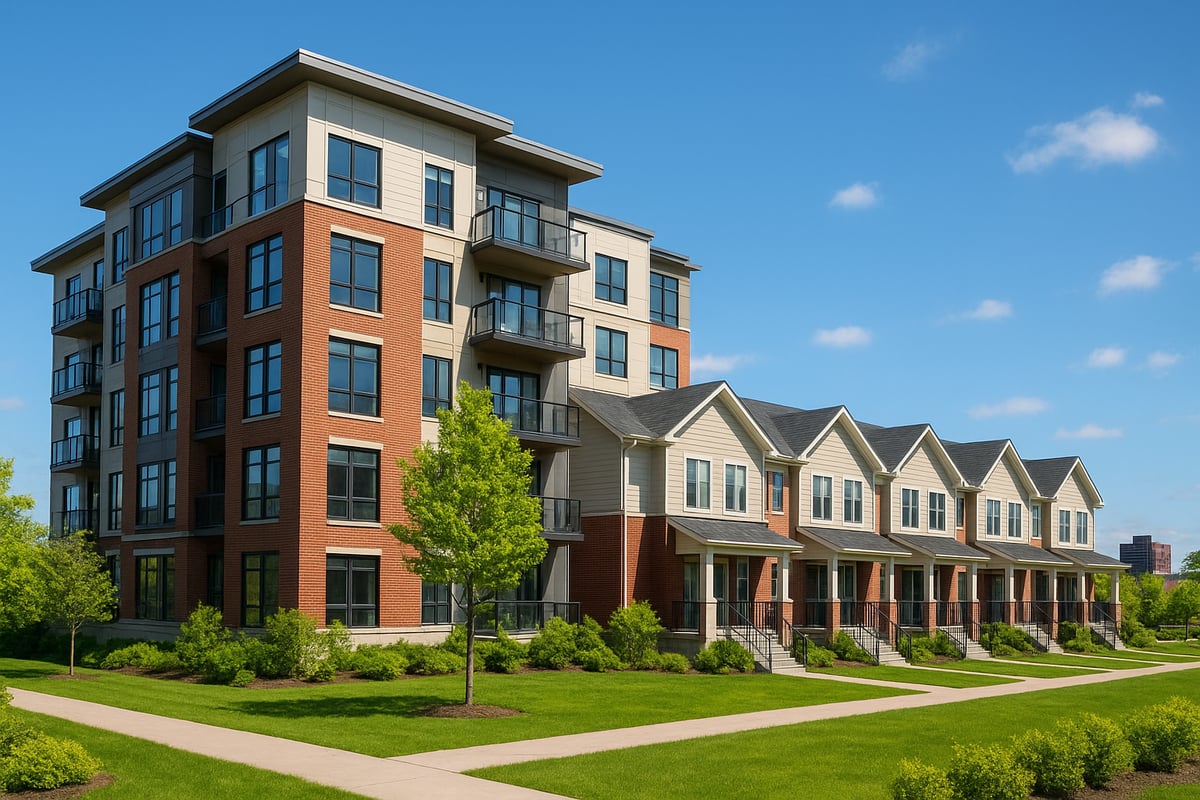
The new brunswick home rentals market is experiencing significant shifts in 2025. Vacancy rates remain at historic lows, with most urban centres seeing less than 2 percent availability. This tight market is driving up average rents across the province. For instance, the average rent for a two-bedroom apartment in Moncton has climbed to $1,400 per month, while Saint John and Fredericton average $1,250 and $1,350 respectively.
Compared to previous years, rents have increased by 5 percent in Moncton and 4 percent in Fredericton, reflecting strong demand. Supply continues to lag behind population growth, especially as interprovincial migration brings more residents to New Brunswick. Urban areas face the most pressure, but some rural communities are also seeing increased interest from families seeking more space at lower costs.
Seasonal trends play a role as well. The spring and summer months typically see the highest rental activity, offering more choices but also more competition. Winter may provide better deals, but inventory tends to be limited.
For a detailed breakdown of recent trends, including vacancy rates and average rents by city, consult New Brunswick's 2024 Rental Market Overview.
| City | 2-Bed Apartment Avg. Rent | Vacancy Rate |
|---|---|---|
| Moncton | $1,400 | 1.8% |
| Saint John | $1,250 | 2.1% |
| Fredericton | $1,350 | 1.9% |
These numbers underscore the importance of acting quickly and being well-prepared when searching for new brunswick home rentals.
Types of Rentals Available
Renters exploring new brunswick home rentals in 2025 will find a diverse mix of property types. Choices include apartment buildings, modern condos, duplexes, single-family homes, and townhouses. Many landlords now offer both furnished and unfurnished units, catering to short-term and long-term tenants alike.
Lease terms typically range from 12 months to flexible short-term options. Pet-friendly and all-inclusive rentals are increasingly common, responding to the needs of families and professionals. New builds are on the rise, often featuring amenities like in-suite laundry, gyms, and secured entry.
Luxury rentals are gaining traction, especially in Moncton and Dieppe. These properties offer high-end finishes and enhanced security, although they come at a premium. The growth of upscale rentals has impacted affordability, making it important for renters to balance desired features with their budget.
Renters should also weigh the pros and cons of each type. Apartments offer convenience, while single-family homes provide privacy and space. Townhouses and duplexes strike a balance, often attracting families seeking community living.
Key Challenges and Opportunities
The new brunswick home rentals market is not without obstacles. Low vacancy rates and rising rents create stiff competition, especially in urban centres. Many applicants face multiple offers for desirable properties, making it crucial to have references and documents ready.
However, there are notable opportunities. New developments continue to add inventory, and some government incentives aim to support renters. Recent rent control measures are helping to moderate annual increases, offering some stability.
To stand out, renters should act fast, prepare strong applications, and consider expanding their search to include surrounding communities. Staying flexible with move-in dates or lease lengths can also increase options.
By understanding the landscape, being proactive, and leveraging new developments, renters can successfully navigate the evolving world of new brunswick home rentals.
Legal Rights and Responsibilities for Renters
Renting a home in New Brunswick means understanding your legal rights and obligations. Whether you are new to new brunswick home rentals or a seasoned tenant, being informed helps you avoid misunderstandings and protects your interests. This section covers essential laws, responsibilities, and practical steps for resolving issues, ensuring your rental experience is both secure and positive.

Tenant Rights in New Brunswick
Every tenant in new brunswick home rentals is protected under the Residential Tenancies Act. This legislation outlines clear rules for both renters and landlords.
Key rights include:
- Security Deposits: Landlords can only request a security deposit up to one month’s rent. Deposits must be returned within seven days of lease termination, minus any deductions for damages.
- Rent Increases: Rent can only be increased once every 12 months, with at least three months’ written notice. There are caps on increases, particularly in rent-controlled units.
- Maintenance and Repairs: Landlords must keep rental properties in a good state of repair. If repairs are neglected, tenants can file a formal request or contact the Rentalsman for intervention.
- Privacy: Landlords must give at least 24 hours’ written notice before entering your unit, except in emergencies.
- Lease Terms: Tenants have the right to a written lease and clear terms regarding renewal and termination.
For example, if a landlord fails to fix a leaking roof after you have reported it, you should document your requests in writing and file a complaint with the Rentalsman if the issue is not addressed.
Renter Responsibilities
Tenants play a crucial role in maintaining harmony in new brunswick home rentals. Knowing your responsibilities helps prevent disputes and ensures a smooth tenancy.
Your main responsibilities include:
- Paying rent on time each month. Late payments can result in late fees or eviction notices.
- Keeping the property clean and reporting necessary repairs promptly.
- Handling minor repairs and taking care not to damage the property.
- Respecting rules about noise, pets, and smoking as outlined in your lease.
- Providing proper notice—usually one full rental period—if you plan to end your lease or sublet.
Common disputes arise from:
- Failure to pay rent or repeated late payments.
- Damage to the property beyond normal wear and tear.
- Unauthorized subletting or breaking house rules.
If you are unsure about your duties or encounter a tricky situation, consult the Frequently asked rental questions page for detailed guidance on new brunswick home rentals. Following these guidelines will help you avoid most conflicts and enjoy a positive rental experience.
Navigating Disputes and Seeking Help
Despite best efforts, disagreements can occur in new brunswick home rentals. Knowing how to address disputes is vital for protecting your rights.
Steps for resolving disputes:
- Start by communicating clearly and respectfully with your landlord or property manager.
- Keep records of all correspondence and issues, including dates and photos.
- If informal resolution fails, file a complaint with the New Brunswick Rentalsman. The Rentalsman provides mediation services and can enforce decisions under the Residential Tenancies Act.
- For more complex issues, tenant advocacy groups and legal aid services are available to support renters.
Mediation is often faster and less stressful than going to court, and most conflicts can be resolved at this stage. Staying informed and proactive ensures your experience with new brunswick home rentals remains fair and stress-free.
Step-by-Step Guide to Renting a Home in New Brunswick
Renting a home can be a significant decision, especially in a market as dynamic as New Brunswick. This step-by-step guide is designed to walk you through every stage of the process, from establishing your budget to signing your lease. By following these practical steps, you can navigate new brunswick home rentals with confidence and clarity.

Step 1: Determine Your Budget and Needs
Before you begin your search, assess your financial situation and rental priorities. Calculate your monthly income and apply the recommended income-to-rent ratio, typically ensuring your rent does not exceed 30% of your gross income. Factor in additional expenses like utilities, internet, and insurance.
Next, list your must-have features. Consider location, proximity to work or school, number of bedrooms, pet policies, and amenities such as parking or in-suite laundry. For example, a single renter might prioritize central location and affordability, while families may need more space and access to schools.
Here is a simple budget breakdown for new brunswick home rentals:
| Renter Type | Monthly Rent | Utilities | Internet | Total |
|---|---|---|---|---|
| Single Renter | $1,200 | $150 | $80 | $1,430 |
| Family (3-4) | $1,900 | $250 | $90 | $2,240 |
Careful planning at this stage helps prevent financial stress later.
Step 2: Search for Rentals
With your budget and needs defined, start exploring available options. Use reputable platforms such as Kijiji, Realtor.ca, and local property management websites. For a comprehensive and up-to-date selection, browse New Brunswick rental listings, which aggregates a wide range of new brunswick home rentals across the province.
Social media groups and community boards can also be valuable resources for finding unique opportunities. Always verify the legitimacy of listings, especially when dealing with private landlords. Watch for red flags like requests for wire transfers or pressure to act quickly without seeing the property.
Staying organized and proactive during your search increases your chances of securing your preferred home.
Step 3: Viewing Properties and Asking the Right Questions
Once you have shortlisted potential new brunswick home rentals, schedule viewings promptly. Prepare a checklist for each visit, focusing on property condition, appliances, heating systems, and safety features like smoke detectors.
During the viewing, ask landlords about what utilities are included, available parking, lease duration, and maintenance procedures. Assess the neighborhood for amenities, transit access, and overall safety.
Key questions to ask:
- Are pets allowed?
- What is the policy on subletting?
- Is renter’s insurance required?
- How are repairs handled?
Bringing a checklist ensures you do not overlook important details and helps you compare options objectively.
Step 4: Application and Screening Process
After finding the right property, be ready to submit your application quickly. Landlords typically require government-issued ID, proof of income, references, and sometimes a credit check. Having these documents prepared in advance can give you an edge in the competitive new brunswick home rentals market.
Some landlords may charge an application fee or request a refundable deposit to hold the unit. To strengthen your application, provide positive rental references and be transparent about your employment status.
A typical timeline for a popular Moncton apartment might involve viewing on Monday, submitting your application by Tuesday, and receiving approval by the end of the week. Prompt communication is essential throughout this process.
Step 5: Signing the Lease and Moving In
Once your application is approved, review the lease agreement thoroughly before signing. Ensure you understand the lease length, renewal terms, penalties, and any included services for your new brunswick home rentals.
Conduct a detailed move-in inspection with the landlord, documenting any existing damage. Take photos and complete a checklist to avoid disputes when moving out.
Before moving in, set up utilities, transfer your address, and obtain renter’s insurance. A smooth transition is possible with careful planning and clear communication.
Here is a move-in checklist:
- Complete inspection and document condition
- Set up utilities and internet
- Update your address with relevant institutions
- Purchase renter’s insurance
Following these steps ensures a successful start in your new home.
Top Neighborhoods and Cities for Home Rentals in New Brunswick
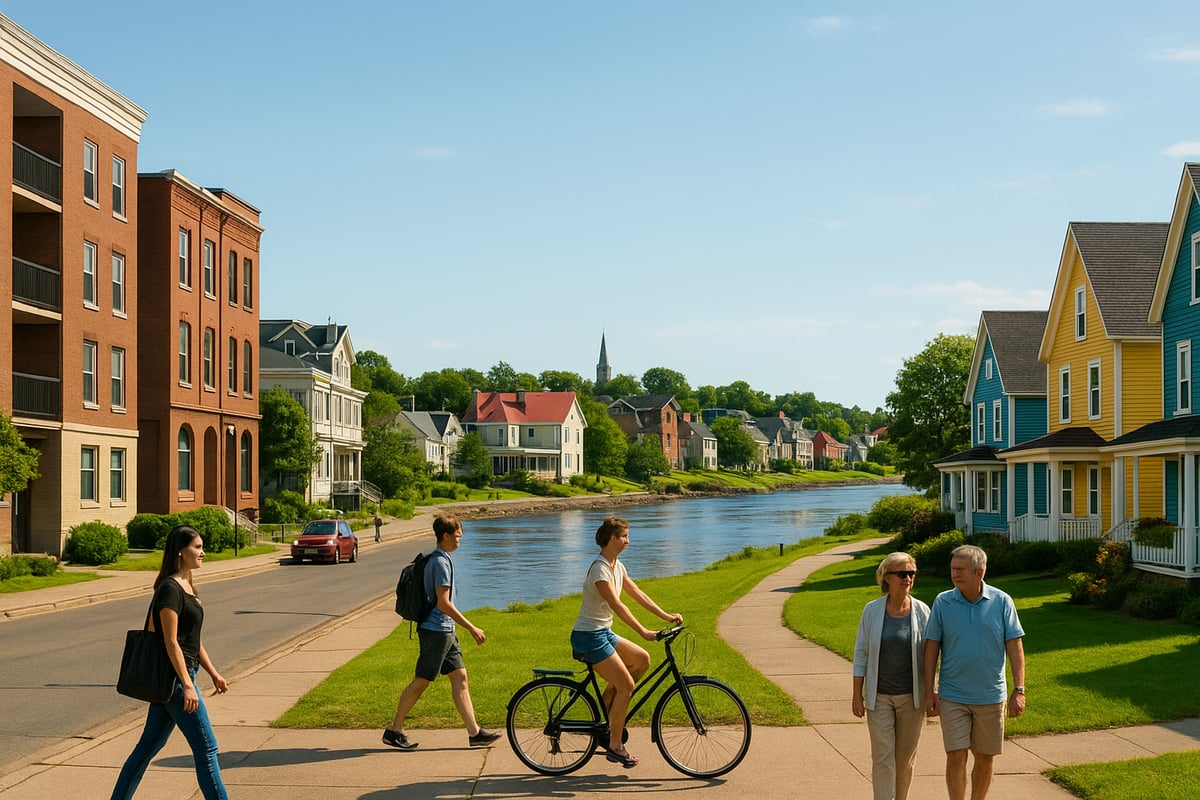
Choosing the right neighborhood is vital when exploring new brunswick home rentals. Each city and region offers distinct advantages, from vibrant urban centers to peaceful coastal escapes. Let us guide you through the top locations to find your ideal rental in 2025.
Moncton, Dieppe, and Riverview
The Greater Moncton Area continues to be a hotspot for new brunswick home rentals. Moncton boasts a dynamic downtown, excellent schools, and major employers. Dieppe is favored by families for its modern developments, while Riverview offers a quieter suburban feel with easy access to city amenities.
Rental demand here remains high, especially for apartments and townhouses. Average rents for a two-bedroom apartment in Dieppe hover around $1,350 per month, reflecting the area's desirability. Proximity to top-rated schools, hospitals, and public transit adds extra appeal.
Popular neighborhoods include North End Moncton for families, downtown for young professionals, and central Dieppe for those seeking new builds. For a comprehensive look at available properties and detailed neighborhood insights, visit the Renting in Moncton guide. These cities offer some of the most diverse options for new brunswick home rentals, with choices ranging from luxury condos to affordable family homes.
Saint John and Fredericton
Saint John and Fredericton each offer unique markets for new brunswick home rentals. Saint John, known for its historic charm and waterfront, presents a range of rental opportunities. Uptown Saint John features heritage apartments and a vibrant cultural scene, while the West Side is popular for its affordable single-family homes.
Fredericton, the provincial capital, attracts students, professionals, and families alike. The city is renowned for its green spaces, universities, and strong community feel. Average rents for a two-bedroom apartment in Fredericton are around $1,250, with vacancy rates slightly higher than in Moncton.
Both cities provide easy access to amenities, including hospitals, schools, and shopping. Neighborhoods like South End Fredericton and Millidgeville in Saint John are especially sought after for new brunswick home rentals due to their blend of convenience and lifestyle.
Rural and Coastal Communities
For those seeking affordability and a slower pace, rural and coastal regions offer compelling new brunswick home rentals. Towns like Shediac and St. Andrews are known for their scenic beauty, access to beaches, and tight-knit communities.
Rental properties in these areas often include single-family homes and larger lots, making them ideal for families or anyone craving more space. Average rents are generally lower than in urban centers, with a three-bedroom house in Shediac averaging around $1,100.
Benefits of renting outside city centers include quieter neighborhoods, outdoor recreation opportunities, and a more relaxed lifestyle. These regions are increasingly popular among remote workers and retirees searching for the best value in new brunswick home rentals.
Budgeting and Costs: What to Expect in 2025
Planning for the costs of new brunswick home rentals in 2025 is crucial for a smooth renting experience. Understanding average prices, additional expenses, and smart budgeting strategies can help you avoid surprises and secure the right place for your needs.
Average Rental Prices and Trends
Rental prices for new brunswick home rentals are expected to continue rising in 2025, reflecting ongoing demand and low vacancy rates. The average rent for a one-bedroom apartment in Moncton is projected to reach $1,250 per month, while Fredericton and Saint John are likely to see averages around $1,100 and $1,050 respectively.
Larger units, such as two-bedroom apartments or townhouses, typically range from $1,400 to $1,800 per month depending on location and amenities. Detached homes and luxury rentals command even higher prices, especially in sought-after neighborhoods.
The following table offers a quick comparison of average monthly rents by city and property type:
| City | 1-Bedroom Apt | 2-Bedroom Apt | Detached Home |
|---|---|---|---|
| Moncton | $1,250 | $1,500 | $2,000+ |
| Fredericton | $1,100 | $1,400 | $1,800+ |
| Saint John | $1,050 | $1,350 | $1,700+ |
Market forecasts indicate rents may rise 4-6% over the year, driven by population growth and tight supply. According to New Brunswick Real Estate Board MLS® Statistics, both rental and home purchase costs have seen steady increases across the province.
Additional Costs to Consider
Beyond monthly rent, new brunswick home rentals come with several extra expenses. Utilities are often a separate charge, with heating, electricity, and water averaging $150 to $250 per month depending on the season and property size. Some rentals include heat or water, so always clarify what’s covered before signing a lease.
Other common costs include:
- Internet and cable: $80–$125/month
- Parking fees: $50–$100/month (varies by location)
- Tenant insurance: $20–$40/month
- Security deposit: Typically one month’s rent
- Application fees: $25–$50 (where applicable)
- Moving expenses: Truck rental, movers, and supplies
Be sure to factor these costs into your total monthly budget for new brunswick home rentals. Upfront expenses can add up quickly, so plan for the initial financial outlay as well as ongoing bills.
Saving on Rent and Negotiating
With demand for new brunswick home rentals at record highs, renters face strong competition and rising prices. However, there are still ways to save. Look for move-in promotions, such as “first month free” or discounted rent for signing longer leases. Some landlords may offer lower rents for off-peak occupancy or bundled utilities.
Negotiating can be effective, especially if you have a strong application or are willing to sign a longer lease. Consider shared accommodations or roommates to split costs, particularly in larger units. All-inclusive rentals, where utilities and amenities are bundled, can offer significant savings and simplify monthly budgeting.
To better understand the current competitive landscape, see New Brunswick's Record-Low Vacancy Rates, which outlines the challenges and opportunities renters face in 2025.
Budgeting Tips for Renters
A sound budget is essential for anyone seeking new brunswick home rentals. Start by calculating your income-to-rent ratio, aiming to keep rent at or below 30% of your gross income. Use budgeting tools or spreadsheets to track monthly expenses and set aside funds for annual rent increases or unexpected repairs.
Consider these tips:
- Create a detailed rental budget, including all fixed and variable costs.
- Plan for emergencies by saving at least one month’s rent in reserve.
- Shop around for the best deals on insurance and utilities.
- Review your lease for any clauses about rent increases or additional fees.
By being proactive and well-informed, you can confidently manage the costs associated with new brunswick home rentals and enjoy a secure, comfortable living situation.
Expert Tips for a Successful Renting Experience
Renting in New Brunswick can be rewarding, but knowing how to navigate challenges is key to a smooth journey. Whether you are new to new brunswick home rentals or a seasoned renter, following expert guidance can help you avoid stress and secure your ideal home.
Avoiding Common Pitfalls
Entering the world of new brunswick home rentals means staying alert to common challenges. Rental scams are increasing, so always verify listings, avoid cash payments, and never share sensitive information unless the source is confirmed.
Read every lease thoroughly before signing. Ask questions if any terms are unclear. Misunderstandings, such as over unclear pet policies, can lead to disputes. For example, a tenant in Moncton signed a lease without clarifying parking arrangements, leading to extra monthly costs.
Clear communication with landlords can prevent future issues. By being proactive, you can sidestep costly mistakes in new brunswick home rentals.
Building a Good Tenant-Landlord Relationship
A positive relationship with your landlord is crucial for long-term success in new brunswick home rentals. Respond promptly to messages, report maintenance issues quickly, and respect property guidelines.
Politeness and clarity go a long way. If repairs are needed, use the formal maintenance request process to ensure your concerns are documented and addressed efficiently.
Following building rules, such as respecting noise levels and common spaces, helps maintain harmony. Landlords often provide glowing references to tenants who communicate well and care for their home, which benefits future rental applications.
Planning for the Future
Thinking ahead is vital for anyone involved in new brunswick home rentals. Review your lease for renewal options or subletting clauses well before your term ends. If considering a move, give proper notice and leave the property clean to maintain a strong rental history.
Plan for yearly rent increases or changing legal requirements. Tenants who stay informed about market trends and regulations are better prepared for transitions, whether renewing, subletting, or searching for a new place.
Keeping detailed records and open communication will support you in building a positive reputation in the new brunswick home rentals market.
Resources and Support for Renters
If you face issues during your new brunswick home rentals experience, several resources can help. The New Brunswick Rentalsman office provides guidance and dispute resolution for tenants and landlords. Tenant associations and online forums offer community support and practical advice.
For legal concerns, government websites and local advocacy groups are valuable. To ensure repairs are handled properly, follow the official maintenance request process for timely solutions.
By tapping into these resources, you can confidently address challenges and enjoy a successful renting journey in New Brunswick.