
Renting in 2025 is changing fast, and being prepared is more important than ever. Whether you are a first-time renter or looking to upgrade your living situation, this simple renting guide is designed to help you succeed in today's competitive, digital market.
Inside, you will find step-by-step advice on how to assess your needs, search smarter, understand rental agreements, complete applications, and settle into your new home with ease. Avoid common mistakes and gain the confidence you need to secure your ideal rental.
Let this essential handbook be your trusted companion for a seamless and stress-free renting experience.
Understanding Your Renting Needs in 2025
Navigating the rental market is evolving rapidly, making it crucial to approach your search with clarity and purpose. A simple renting experience in 2025 starts with a thorough assessment of your unique needs and priorities. Before diving into listings, reflect on your lifestyle, budget, and long-term goals to ensure your next home truly fits.

Assessing Lifestyle and Housing Requirements
Start by identifying what matters most in your day-to-day life. Do you need extra space for remote work, or do you prioritize a central location close to downtown amenities? For simple renting, define your must-haves and nice-to-haves, such as:
- Number of bedrooms and bathrooms
- Desired amenities (gym, in-suite laundry, parking)
- Pet-friendliness and family accommodations
- Outdoor space or access to parks
Consider how your routines may change in the coming years. Flexible layouts are increasingly popular as work-from-home remains common. If you anticipate remote work, prioritize dedicated office space or a quiet corner.
Budgeting for Rent and Living Expenses
A realistic budget is the backbone of simple renting. Calculate your monthly rent limit alongside additional costs, including:
- Utilities (electricity, heating, water)
- Internet and phone services
- Renters insurance
- Security deposits and application fees
Recent data shows that average rent prices in Canada rose by 8% in 2024, reflecting a competitive market. For more details on these trends, see Canada's rental market trends in 2024. By understanding the full scope of expenses, you can avoid surprises and maintain financial stability.
Location and Accessibility
Location is key for simple renting success. Evaluate properties based on proximity to:
- Your workplace or school
- Public transportation options
- Grocery stores, clinics, and other essential services
If you have children, research local schools and playgrounds. Pet owners should check for nearby parks and clear pet policies. Accessibility to highways or transit lines can save time and reduce daily stress.
Modern Features and Future-Proofing
The rental landscape in 2025 is shaped by technology and sustainability. Many renters seek smart home features such as keyless entry, smart thermostats, and high-speed internet. Eco-friendly units with energy-efficient appliances and recycling programs are also growing in demand.
Simple renting means thinking ahead: Will your needs change? If you expect family growth, look for adaptable spaces. If you value green living, prioritize buildings with strong environmental practices.
Urban vs. Suburban Priorities: New Brunswick Example
Let’s compare priorities between urban and suburban renters in New Brunswick:
| Priority | Urban Renters (Moncton) | Suburban Renters (Riverview, Dieppe) |
|---|---|---|
| Proximity to Work | High | Moderate |
| Space | Moderate | High |
| Amenities | Extensive | Selective |
| Commute Times | Short | Longer |
| Pet Policies | Moderate | Flexible |
| Green Spaces | Limited | Abundant |
Urban renters may accept smaller spaces for walkability and amenities, while suburban renters often seek more room and outdoor access. Both can enjoy a simple renting process by aligning their choices with lifestyle and long-term plans.
Matching your rental to your goals is key to long-term satisfaction. By considering these factors, you’ll set the stage for a positive, stress-free transition into your next home.
Navigating the Rental Search Process
Finding the right place to rent in 2025 can feel overwhelming. The market is fast-paced and digital tools are everywhere. This section will walk you through a simple renting process, breaking down each step to help you search confidently and avoid common mistakes.
Using Online Platforms and Tools
In 2025, digital platforms are the backbone of a simple renting journey. Start with top rental websites and apps that feature advanced filters for price, location, and amenities. Set up custom alerts to get notified as soon as new listings match your criteria. This saves time and ensures you never miss out on desirable options.
Virtual tours and 3D walkthroughs are now standard. Take advantage of these features to evaluate properties remotely. Look for clear, high-resolution visuals and interactive floor plans. AI-powered search tools can even suggest rentals based on your preferences and previous searches.
For those searching in Moncton, streamline your simple renting process by exploring Residential Rental Listings Moncton, which provides up-to-date availability and user-friendly filters. These tools help you find your next home efficiently, no matter your schedule or location.
Evaluating Listings and Avoiding Scams
With so many listings online, staying safe is essential for a simple renting experience. Watch for red flags like prices that seem too good to be true, vague descriptions, or missing photos. Never send money or personal information to unverified contacts.
Always verify property ownership and confirm that the contact person is legitimate. Use secure communication channels. Rental scams are on the rise, with a 15% increase in reports in 2023 according to the Canadian Anti-Fraud Centre.
Consider making a checklist for evaluating each listing. This can include confirming address details, checking for professional photos, and reviewing previous tenant feedback. Following these steps helps you avoid scams and keeps your simple renting journey worry-free.
Scheduling and Attending Viewings
When you find promising rentals, schedule viewings—either in-person or virtually. Prepare a list of questions for landlords or property managers, such as policies on pets, maintenance, and utilities. This shows you are serious and helps you gather all needed details.
During the tour, inspect the apartment’s condition, paying close attention to appliances, fixtures, and security features. Take notes or photos to document your impressions. A tenant’s checklist for Moncton apartments might include reviewing building safety, checking cell service, and assessing noise levels.
Simple renting means being thorough and observant. By preparing ahead, you can compare options confidently and avoid surprises after moving in.
MU Property Management Ltd.: Local Expertise for a Stress-Free Search
Working with a reputable property management company can make simple renting truly stress-free. MU Property Management serves Moncton, Dieppe, and Riverview, offering a transparent and responsive approach to helping tenants find quality apartments.
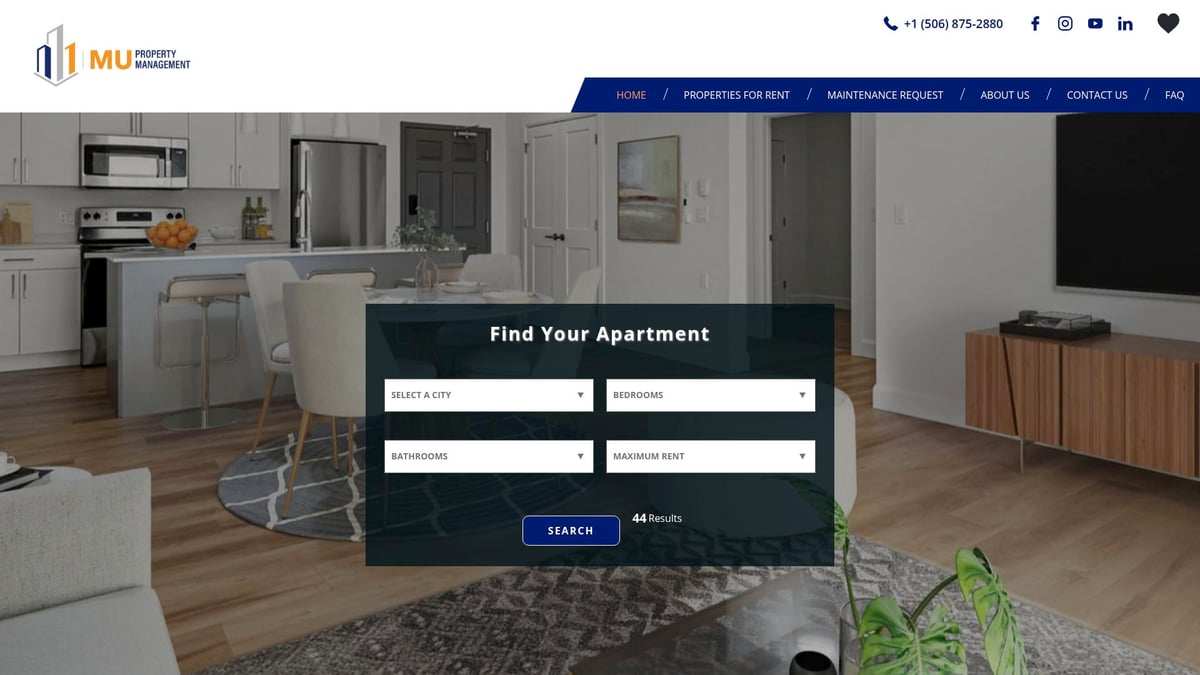
Their portfolio includes modern, well-maintained units, plus online search and application tools for convenience. Renters often praise MU’s commitment to high standards and strong tenant support, from the first inquiry to move-in.
Choosing local experts means you get access to exclusive listings and benefit from a team that understands the community. This support can make your simple renting process smooth and successful from start to finish.
Understanding Rental Applications and Approval
Navigating rental applications is a vital step in simple renting for 2025. The process has evolved with technology, making it easier yet more competitive. Understanding what landlords require and how to present yourself as a reliable tenant is essential for securing your ideal home.

Common Rental Application Requirements
Most landlords now expect a standardized set of documents. Here is a summary:
| Requirement | Description |
|---|---|
| Government ID | Valid photo identification |
| Proof of Income | Recent pay stubs or employment letters |
| References | Contact info for previous landlords |
| Credit Check | Authorization for a credit screening |
| Application Form | Completed with accurate personal details |
Preparing these documents in advance is a cornerstone of simple renting. By organizing your paperwork, you can respond quickly to new listings and stand out in a competitive market.
Tips for a Strong Application
To make your application shine, focus on clarity and accuracy:
- Double-check all details for consistency.
- Include a brief cover letter introducing yourself.
- Gather references ahead of time, so they are ready when needed.
- Ensure your proof of income is recent and clearly shows your ability to pay rent.
Digital applications are now the norm. Over 65% of landlords use online screening tools, according to CMHC. Upload clear, legible files and follow instructions precisely. This attention to detail is a hallmark of simple renting success.
How Landlords Evaluate Tenants in 2025
Landlords look for tenants who demonstrate stability, reliability, and financial responsibility. They typically assess:
- Credit score and history
- Employment status and income level
- Reference feedback
- Completeness of the application
With the rise of digital tools, decisions are often made faster. Be transparent about your situation, and if there are any issues in your background, address them proactively in your application. This transparency aligns with the principles of simple renting.
Co-signers, Guarantors, and Fees
If your credit history is limited or your income does not meet requirements, a co-signer or guarantor may be necessary. This person agrees to cover the rent if you cannot. Know that some landlords charge application fees to cover screening costs. Ask about these fees upfront to avoid surprises.
Typical Timeline: From Application to Approval
Here is a sample timeline for simple renting in 2025:
Day 1: Submit online application and documents
Day 2: Landlord reviews and conducts credit check
Day 3: Reference calls completed
Day 4: Approval decision and lease sent for signature
Day 5: Deposit paid and move-in scheduled
Where to Find More Information
Questions often arise during the rental application process. For clear answers to the most common concerns, consult the Renting FAQs for Tenants to support your simple renting journey.
Key Insight
Transparency and preparation are your best assets. By following these steps, you can streamline the application process and secure your next rental with confidence. Keeping the process simple and organized is the foundation of successful simple renting in 2025.
Decoding Lease Agreements and Tenant Rights
Understanding the fine print of your lease agreement is essential for a simple renting experience in 2025. Lease contracts have evolved alongside the market, and knowing your rights and obligations is the best way to protect your interests. This section breaks down the key lease terms, outlines your rights as a tenant, and explains how to negotiate terms confidently.

Key Lease Terms to Know
When you begin the simple renting process, the lease is your roadmap. There are two main types of leases: fixed-term and month-to-month. Each comes with its own benefits and obligations.
Here’s a quick comparison:
| Lease Type | Duration | Flexibility | Notice Required | Typical Use |
|---|---|---|---|---|
| Fixed-term | 6-12 months | Low | End of term | Stability, savings |
| Month-to-month | Ongoing | High | 1-2 months | Flexibility, short stays |
Rent increases are a critical aspect for simple renting. In New Brunswick, landlords must provide proper notice and follow legal limits set by provincial regulations. Always confirm these details in your agreement.
Security deposits are another important term. These are capped by law, often equal to one month's rent, and must be returned after you move out, minus any legitimate deductions for damages. Make sure your lease clearly states the deposit amount and conditions for its return.
Subletting and assignment clauses can affect your flexibility. Review these carefully if you may need to transfer your lease during your stay. Understanding all these terms helps ensure your simple renting journey starts on solid ground.
Understanding Your Rights and Responsibilities
A successful simple renting experience means knowing both your rights and duties as a tenant. In 2025, tenant protections in New Brunswick remain strong, offering peace of mind no matter your rental situation.
You have the right to a safe and well-maintained home. Landlords are responsible for repairs and must respond promptly to maintenance requests. Tenants are expected to keep the property clean and report issues as soon as they arise.
Privacy is a key right in simple renting. Your landlord must provide notice before entering your home, except in emergencies. Digital surveillance in common areas is allowed, but your privacy inside your unit is protected by law.
Tenant rights also shield you from unfair eviction. Landlords must follow strict procedures and provide valid reasons for ending a lease. If you ever feel your rights are at risk, local tenant associations and legal resources are available to help. Knowing your responsibilities and protections ensures a smoother simple renting experience.
Negotiating and Clarifying Lease Terms
Effective negotiation is part of simple renting, especially in Canada’s evolving market. Many terms can be discussed, such as rent amount, included utilities, parking, or even pet policies. However, some items—like legal deposit limits or notice periods—are set by law and cannot be changed.
Always get every negotiated detail in writing. Addenda or amendments to the lease should be signed by both you and the landlord. This protects both parties and prevents misunderstandings during your tenancy.
For example, you might successfully negotiate to have water or parking included in your rent. According to RentBoard.ca, 30% of renters now achieve improved terms through negotiation. Working with transparent property managers, like those described on the About MU Property Management page, can make the process even smoother, as they value clear communication and tenant satisfaction.
Remember, the key to simple renting is clarity. Ask questions, read the fine print, and never hesitate to seek advice before signing. A well-understood lease is your foundation for a positive rental experience.
Moving In: Setting Up for Success
Moving day marks a major milestone in your simple renting journey, especially with the evolving rental market of 2025. Proper planning ensures your transition into a new home is seamless, saving you time and avoiding stress. With more renters than ever vying for quality spaces, preparation is the key to standing out and settling in smoothly.
The Essential Move-In Checklist
Start your simple renting experience with a detailed checklist. Begin by setting up utilities such as electricity, water, and gas before move-in. Arrange for high-speed internet installation, as remote work and streaming are daily essentials in 2025.
Next, update your address with Canada Post, banks, and government agencies. Schedule any necessary furniture deliveries to align with your move-in date. Don’t forget to plan for elevator reservations if you’re moving into a building with shared amenities.
A well-organized checklist helps you avoid last-minute surprises and supports a stress-free move. With Moncton's rising rental demand, being prepared ensures you’re ready to enjoy your new space from day one.
Inspect and Document Your New Home
As you enter your new rental, take time to thoroughly inspect every room. Check appliances, fixtures, windows, and doors for proper function. Note any existing damage or wear, taking photos and detailed notes.
Use a standardized inspection form if one is provided by your landlord or property manager. Share your findings promptly to avoid disputes over security deposits when moving out.
Documenting conditions at move-in is a cornerstone of simple renting and protects you from future liability. If you notice urgent issues, report them right away to establish a clear record.
Secure Renters Insurance
Renters insurance is a must-have for simple renting in 2025. It protects your personal property from theft, fire, and water damage, and can cover liability in case of accidents.
Many landlords now require proof of renters insurance before handing over the keys. Compare policies to ensure you have coverage for high-value items and temporary housing if needed.
Investing in renters insurance offers peace of mind so you can focus on making your new rental feel like home.
Understand Maintenance and Emergency Procedures
Knowing how to submit maintenance requests is vital for a smooth simple renting experience. Review your landlord’s or property manager’s process, including how to report non-urgent repairs and what to do in case of emergencies.
If you’re renting with MU Property Management, familiarize yourself with their Maintenance Request Process for prompt issue resolution. Keep emergency contacts, such as building security or after-hours maintenance, accessible at all times.
Prompt communication ensures repairs are handled quickly, minimizing disruption to your daily routine.
Building Relationships and First-Week Essentials
Take time to introduce yourself to neighbors and building staff. Positive relationships foster a sense of community and make it easier to resolve issues collaboratively. Participate in any welcome events or orientation sessions if available.
During your first week, unpack essentials like bedding, toiletries, and kitchen basics. Set up routines for garbage collection, mail retrieval, and maintenance requests. According to RentCafe, 90 percent of renters report smoother transitions with pre-move planning.
In summary, a proactive approach to moving in sets the tone for your simple renting adventure. By preparing thoroughly, documenting everything, and building positive connections, you’ll create a comfortable and successful start in your new home.
Tips for a Positive and Stress-Free Renting Experience
A positive renting experience in 2025 depends on proactive communication, smart financial planning, staying organized, and building connections in your community. This section offers practical, expert-backed tips for simple renting success, helping you avoid stress and enjoy your new home.
Communication and Problem-Solving with Landlords
Effective communication is the cornerstone of simple renting. Start by introducing yourself to your landlord or property manager, setting the stage for a respectful relationship. Always report maintenance issues promptly, and follow up in writing to create a clear record.
When communicating, be concise and polite. Use email or tenant portals to document requests, ensuring you have a paper trail if problems arise. This practice protects your rights and helps resolve issues quickly.
If disputes occur, try to resolve them amicably. Use mediation services or tenant associations if needed. For example, a tenant who reported a heating issue immediately and kept detailed records saw the problem resolved within days. Clear communication can turn potential conflicts into smooth solutions, making simple renting achievable for everyone.
- Use tenant portals for maintenance requests
- Keep all correspondence organized
- Seek mediation for unresolved disputes
Prioritizing open dialogue with your landlord sets a positive tone and supports a stress-free experience.
Financial Planning and Rent Payment Strategies
Financial stability is crucial for simple renting. Begin by setting up automatic rent payments to avoid late fees and maintain a strong rental history. Track all expenses, including utilities, insurance, and potential annual rent increases.
Budget for unexpected costs, such as repairs not covered by the landlord or moving expenses. According to CMHC's 2024 Rental Market Report highlights, understanding current rental trends helps you anticipate changes in affordability and plan accordingly.
Consider these strategies for effective financial management:
| Strategy | Benefit |
|---|---|
| Automatic payments | Prevents late fees |
| Expense tracking | Helps plan for increases |
| Emergency fund | Covers unexpected costs |
Simple renting is much easier when your finances are organized and predictable. Adopting these habits ensures you can meet your obligations and avoid unnecessary stress.
Staying Organized and Planning Ahead
Organization is essential for simple renting, especially in a digital-first rental market. Keep digital copies of your lease, payment receipts, and all correspondence with your landlord. Use cloud storage or a dedicated folder for easy access.
As your lease approaches renewal, review the terms early and decide whether to stay or move. Give proper notice if you plan to leave, and follow a checklist to ensure the property is left in good condition.
A move-out checklist can include:
- Cleaning all rooms thoroughly
- Repairing minor damages
- Returning all keys and access cards
Simple renting is smoother when you stay ahead of deadlines and maintain clear records. Planning for each stage of your tenancy reduces surprises and supports a seamless transition.
Embracing Community and Local Resources
Building connections within your building or neighborhood enhances simple renting. Participate in community events, introduce yourself to neighbors, and use local services designed for renters, such as legal aid or tenant associations.
Moncton's rental market is thriving, with Moncton's rising rental demand highlighting the benefits of engaging with your local community. Getting involved can provide valuable support, resources, and a sense of belonging.
Community engagement not only enriches your experience but also creates a support network that makes renting simple and enjoyable for the long term.